

Double Board-Certified
Plastic Surgeon
30+ Years
Facelift & Eyelid surgery
SMAS Facelift
Natural Result
AAAASF-Accredited
Surgical Facility
Facelift in San Francisco
Facelifts and neck lifts are meticulous operations that require an eye for detail and careful planning. Double board-certified San Francisco plastic surgeon Dr. Leonard Gray has been perfecting his technique with these procedures for more than 30 years. Scars can be made shorter and less visible. SMAS (superficial musculoaponeurotic system) tightening, under the skin layer, allows for deep tightening of the facial tissues without pulling too much on the skin itself. Also, release of tethering attachments up high on the cheek and down by the jaw allows for a more complete re-draping and tailoring. The result is a natural, refreshed look without an over-pulled appearance.
Sometimes the facelift can be combined with mild liposuction in the jowl area and fat injection in some of the deeper lines in the face. Conservative fat injection, which contains stem cells, may also improve skin quality. Dr. Gray can also improve the neckbands with corset stitching of the platysma muscle. Scars are well hidden so women can wear their hair short or wear it up. At Bay Area Plastic Surgery, Dr. Gray and his team believe that the best result is a natural look that complements the patient’s active lifestyle. Good patient rapport and excellent surgical results are critical to Dr. Gray. He wants to make the entire patient experience the best possible.
If you would like to learn more about facelift surgery in San Francisco, CA, please contact Bay Area Plastic Surgery through our online form or call 415-434-8858 to get started today.
Facelift Results
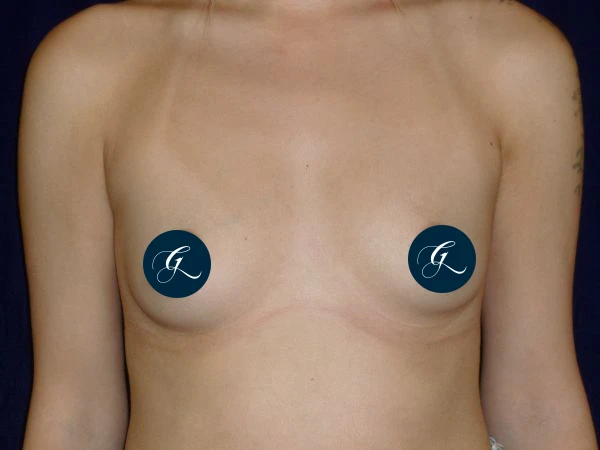
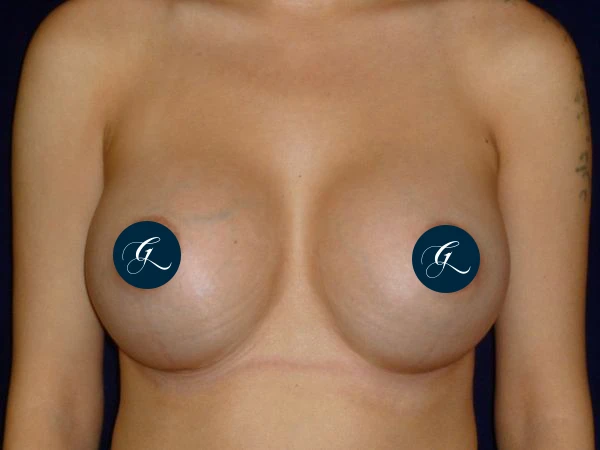
SMAS and Facelift
The SMAS is a layer of tissue that lies beneath the skin and covers the facial muscles. It extends from the forehead to the neck and plays a crucial role in facial structure and support. Over time, the SMAS, along with other facial tissues, can lose elasticity and contribute to sagging and wrinkles.
How SMAS Tightening Is Performed
- Incisions: Incisions are typically hidden within the hairline and around the ears.
- SMAS Dissection: Once the incisions are made, the skin and underlying tissues are carefully lifted to access the SMAS layer.
- Tightening: The SMAS layer is then lifted, repositioned, and tightened. This helps to address sagging and restore a more youthful facial contour.
- Excess Skin Removal: After the SMAS tightening, any excess skin is trimmed, and the remaining skin is re-draped for a smoother appearance.
- Closure: The incisions are closed with sutures, and the recovery process begins.
Benefits of SMAS Tightening
Tightening the SMAS layer offers several benefits:
- Long-Lasting Results: By addressing the deeper layers of tissue, SMAS tightening can provide more comprehensive and longer-lasting results compared to procedures that only address superficial layers.
- Natural-Looking Outcome: SMAS tightening allows for a more natural and subtle improvement, as the deeper tissues are adjusted to restore a youthful contour.
- Improved Facial Structure: By lifting and tightening the underlying SMAS, the procedure can help reposition fat deposits and provide better support to the facial structures.
Bay Area Facelift or Rhytidectomy
A facelift, also known as rhytidectomy, is a surgical procedure designed to address signs of aging in the face and neck. It involves the tightening of facial tissues and removal of excess skin. One of the key techniques often used during a facelift is the tightening of the SMAS (superficial musculoaponeurotic system).
| Technique | Description |
|---|---|
| Skin-Only Facelift | Also referred to as the cutaneous facelift, this technique removes excess and loose skin to create a tightened look. The remaining skin is repositioned to lift sagging cheeks and jowls and improve the profile along the jawline. Muscles and fat tissues are left untouched, so recovery is quick. Ideal for those who still have good muscle tone and fat distribution but find the skin losing elasticity in some areas. |
| Traditional Facelift (SMAS) | Targets the superficial musculoaponeurotic system (SMAS), a supportive layer of tissue beneath the skin that connects to the facial muscles, which loosens and descends with age, gravity, and personal habits, especially for those over 50. Considered the standard for this cosmetic procedure, it uses incisions that Dr. Gray keeps as short as possible and places within the hairline and the natural creases around the ear, so scars are well hidden. Through these incisions, he lifts and tightens the SMAS layer, reshapes facial contours, and removes excess fat and skin if present. |
| Deep Plane Lift | Best suited for more advanced sagging and deep folds caused by aging and sun exposure, especially in the cheeks, jowls, and neck. This technique lifts the deeper tissues as a single unit for a natural, long-lasting result. It requires advanced training because it works closer to the facial nerves, and Dr. Gray has refined this specialized skill set over more than 30 years. |
| Mini Facelift | Also called a short-scar facelift because of the shorter incisions made, this is a quick treatment that corrects the middle and lower face. Many patients initially consider this technique, but it doesn’t correct severe issues and typically provides shorter-lasting results, and some patients later have a full facelift as a final step to fully rejuvenate and reshape the face. |
Leonard W. Gray, MD, FACS: Double Board-Certified Plastic Surgeon
30+ years of breast and body expertise
Am I a Good Candidate for a Facelift?
A facelift restores a youthful, refreshed look by tightening the lower face and jawline, smoothing deep folds, and lifting sagging tissues. This procedure could be ideal if you’ve noticed jowls, loose skin around your cheeks, or a lack of definition between your jawline and neck.
You may be an ideal candidate if you:
- Are in good health and do not smoke
- Have visible signs of aging in your lower face or neck
- Maintain good skin elasticity and strong bone structure
- Want lasting improvement rather than temporary results
- Understand the procedure and have realistic expectations
During your consultation, Dr. Gray will assess your facial anatomy and skin quality, then recommend whether a surgical facelift or non-surgical skin tightening makes the most sense for you.
How to Prepare for Your Facelift
Preparing for a facelift involves more than setting a date. Dr. Gray and his team will provide a guide tailored to your needs, so you feel confident and have answers to your questions. Planning helps support a smoother recovery.
Complete required lab tests or medical clearances.
Stop blood-thinning medications or supplements that may increase bleeding, as advised by Dr Grey.

Tobacco use reduces blood flow and increases the risk of complications. Stop smoking at least four weeks before and after surgery.

You’ll need someone to drive you home and stay with you for the first 24 to 48 hours. You will benefit from having assistance with tasks like meal prep.

Set up a comfortable area at home with pillows, ice packs, and all your postoperative instructions and medications easily within reach.

During & After Surgery
All facelift procedures are performed under general anesthesia in Bay Area Plastic Surgery’s AAAASF-accredited surgical suite. Even though this is considered an outpatient procedure, there are some cases where the patient stays overnight for monitoring. It is normal to experience bruising and swelling after the surgery, and patients will feel as if their face is being pulled tight. This subsides within a couple of weeks. Optimal results will be evident after several months. Limiting activity during recovery helps support safe healing.
San Francisco Facelift FAQs
What non-invasive facial rejuvenation options does Dr. Gray offer?
Dr. Gray offers several non-surgical treatments for facial rejuvenation, including Botox® and Xeomin to relax wrinkles, dermal fillers to restore volume and soften folds, FaceTite for skin tightening, EMFace for lifting and toning, and Potenza RF microneedling to improve skin texture. These treatments require little to no downtime, but their results are temporary and need to be repeated to maintain. For patients who want more dramatic, longer-lasting results, a facelift may be the better option.
Will my face look natural?
Yes. Dr. Gray’s goal is a refreshed, natural look, not an overdone or pulled appearance. With more than 30 years of experience in facial cosmetic surgery, he focuses on smooth results that last for years to come. Immediately after surgery, you may feel some tightness and a pulling sensation. This is normal as the facial tissues adjust to their new positions, and it fades as you heal.
Will I have visible scars?
A traditional facelift requires a long cut from the temple to the lower hairline, but the scars will be well concealed within the hairline and natural creases on the face. With less invasive techniques, the scars heal well and are nearly invisible to the naked eye.
What is the best age to get a facelift?
Anyone can consider a facelift as soon as evidence of aging starts taking a toll on the skin. Generally, patients who are age 50 to 70 consider a facelift. Personal habits and environmental conditions can impact the skin and there are patients in their 40s who are also good candidates for a facelift.
How long does the average facelift recovery take?
Most patients return to normal activities within one to two weeks, though swelling and minor bruising can last longer. Your results will continue refining over several months as the tissues settle. Dr. Gray provides detailed aftercare instructions and monitors your healing to ensure the best outcome.
How long will my facelift results last?
While you’ll continue aging, you can expect to enjoy your refreshed, youthful appearance for a decade or longer, depending on your skin quality, lifestyle, and genetics.
Can a facelift also improve my neck appearance?
Yes. Dr. Gray’s surgical plans address the lower face and neck, tightening lax skin and reducing jowls or neck banding.
What’s the difference between a facelift and non-surgical alternatives?
Dr. Gray is highly experienced in surgical and non-surgical facial rejuvenation, offering patients the best of each approach. Facelift surgery involves physically repositioning and tightening tissues for dramatic, long-lasting results. In contrast, non-surgical facial rejuvenation uses minimally invasive treatments to achieve more modest improvements with less downtime.
Patients choose non-surgical options because they typically involve less downtime and lower costs, while still delivering noticeable enhancements. Dr. Gray offers a full range of non-surgical treatments, including Botox® and Xeomin, dermal fillers, FaceTite, EMFace, and Potenza RF microneedling, so you can select the option that best fits your goals, lifestyle, and comfort level.
Is a facelift painful?
Most patients experience mild discomfort instead of significant pain. Swelling and tightness are typical in the first few days, but medication and proper aftercare make recovery manageable.