

30+ Years
Breast & Body Surgery
Double Board-Certified
Plastic Surgeon
10,000+
Breast Procedures Performed
AAAASF-Accredited
Surgical Facility
What Is Breast Augmentation in San Francisco?
Breast augmentation in San Francisco is a surgical procedure that places implants to enhance breast size, shape, and symmetry. At Bay Area Plastic Surgery, Dr. Leonard Gray, MD, FACS, performs every procedure in our AAAASF-accredited surgical suite, tailoring implant type, size, and placement to each patient’s anatomy and goals.
Most patients choose augmentation to restore volume lost after pregnancy or weight changes, correct asymmetry, or feel more proportionate in their clothing. Dr. Gray’s approach prioritizes natural results, yielding breasts that look and feel like your own instead of an operated appearance.
Surgery is performed as an outpatient procedure under general anesthesia, typically taking 2 hours. Most patients return to desk work within 1 to 2 weeks, thanks to Dr. Gray’s quick-recovery protocols.
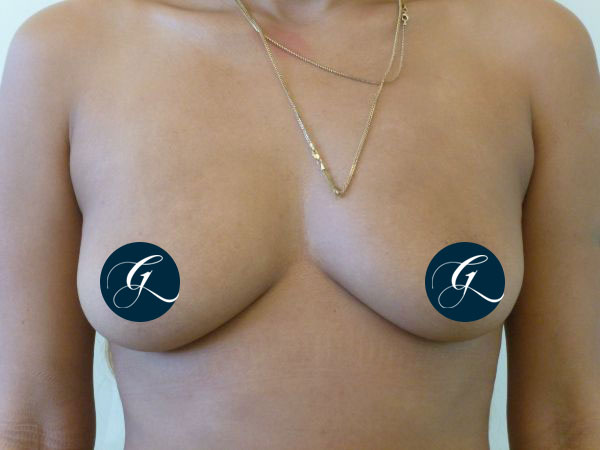
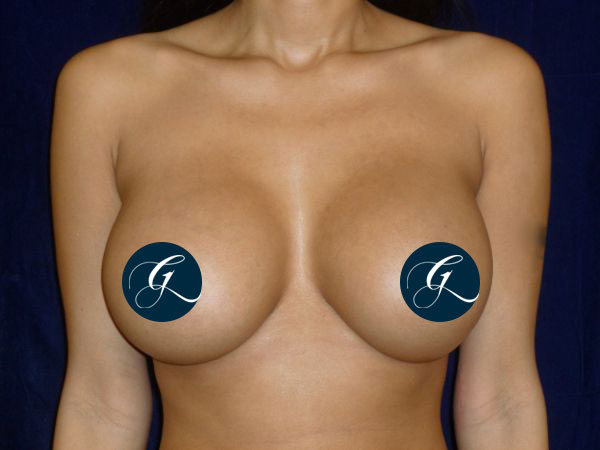
Breast Augmentation Results
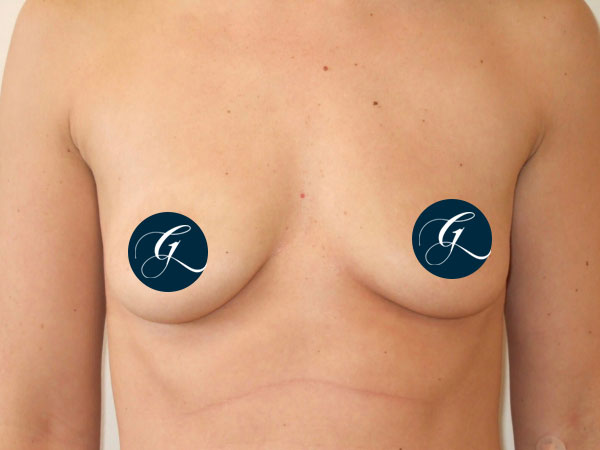
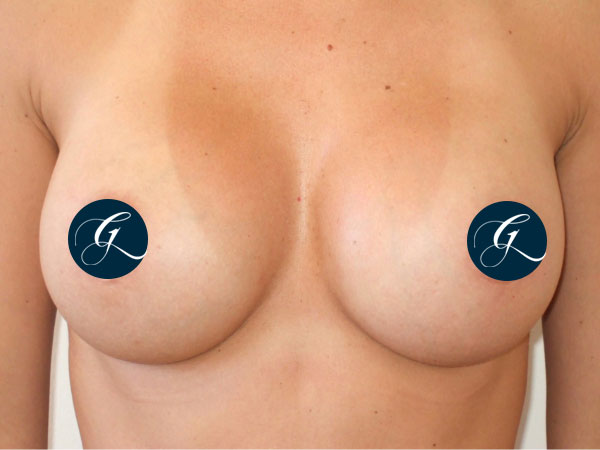
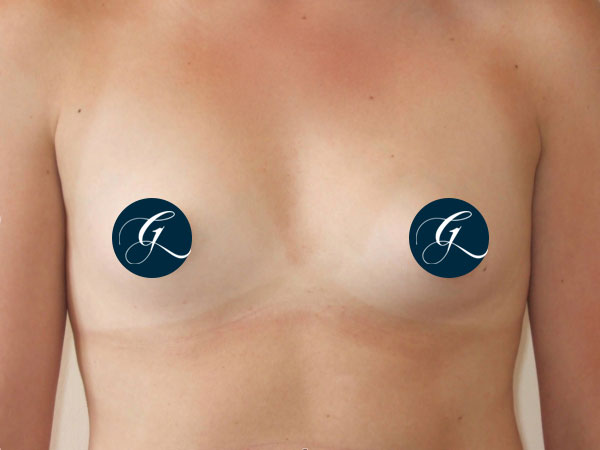
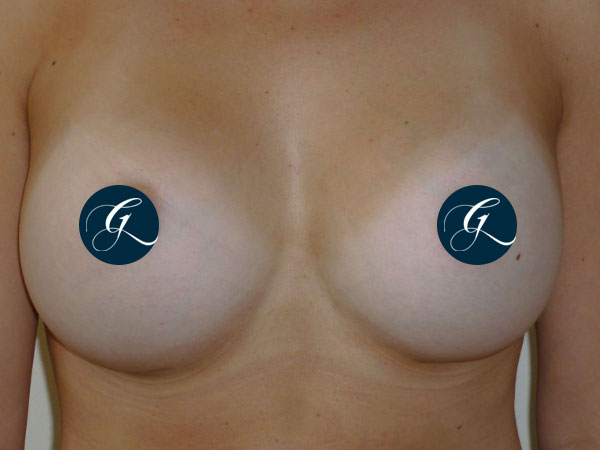
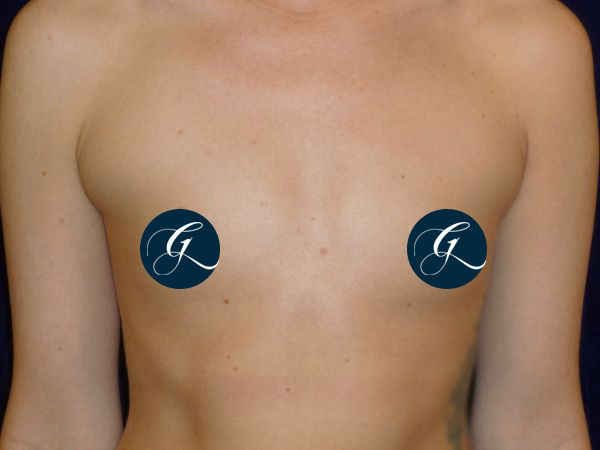
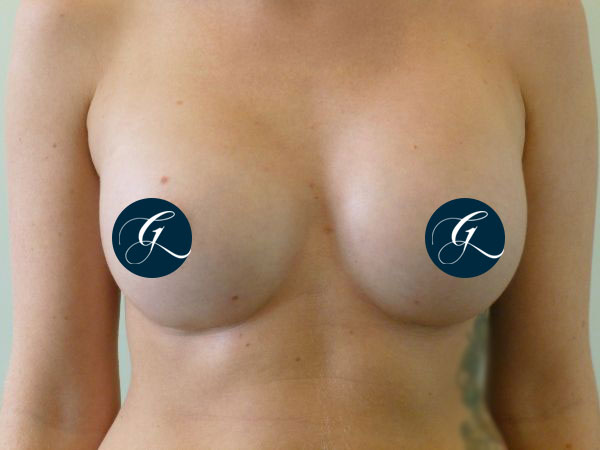
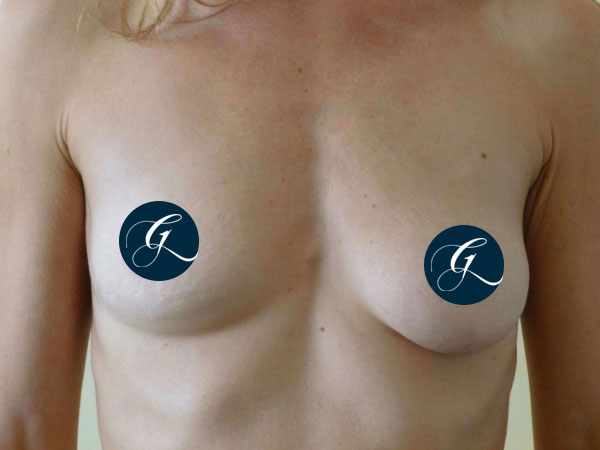
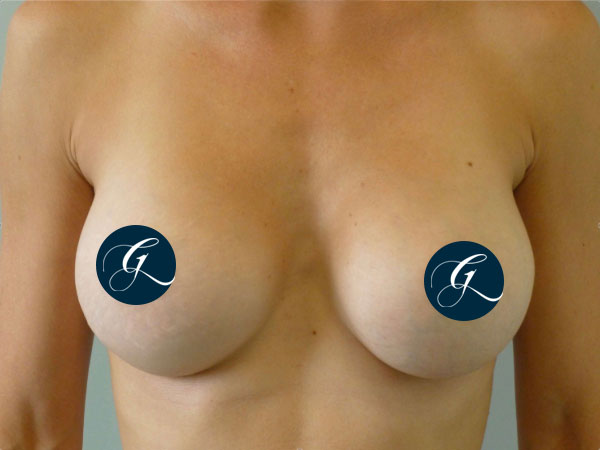
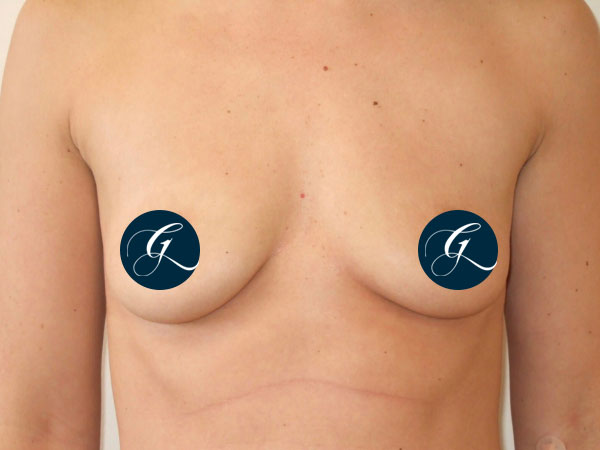
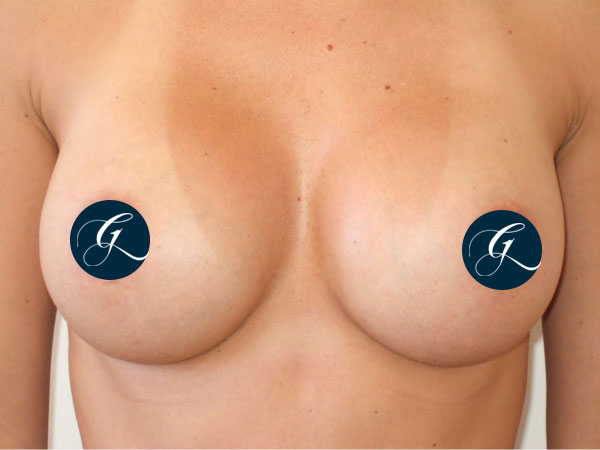
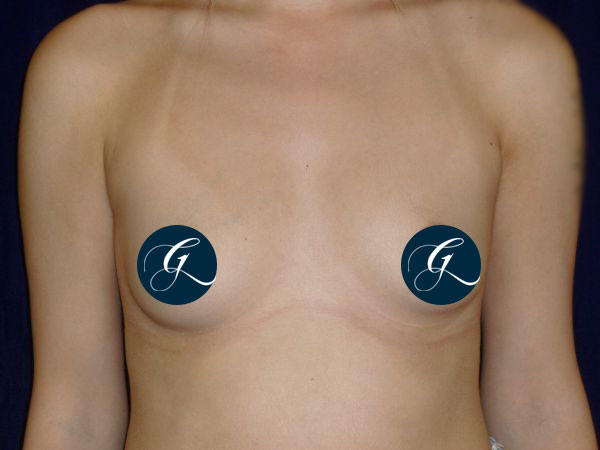
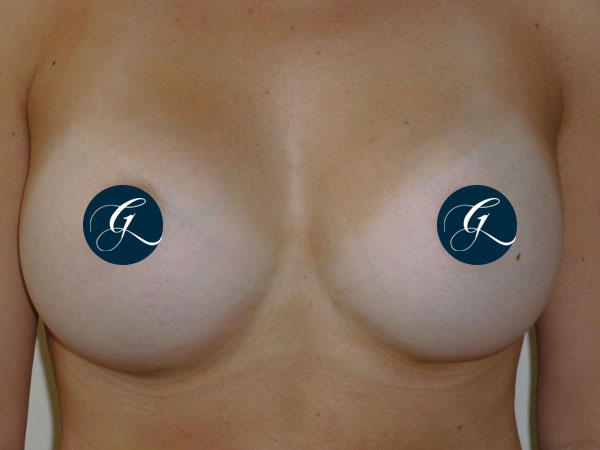
Quick Links
What Are the Different Types of Breast Implants?
One of the most common questions surrounding breast implants is “silicone or saline?” Dr. Gray offers both of these options, although there are key differences to be aware of:
Silicone
Silicone breast implants consist of a silicone-based gel and are widely considered to feel the most like natural breast tissue. There are three silicone implant manufacturers: Sientra®, Mentor®, and Motiva®.
All manufacturers offer silicone gel implants, and Sientra offers a more highly cross-linked option.
Mentor
Mentor has used the same gel and shell for decades. Dr. Gray has seen about a 1% deflation rate with his patients. Many patients like how soft and natural these implants look and feel. Mentor has recently come out with a new line called “Xtra” that overfills the implant. This creates a look that gives a bit more fullness to the upper part of the breast.
Sientra
“Gummy bear” implants are more highly cross-linked and maintain more of a gel-like consistency. They don’t squish down as much and are considered to be perkier than their counterparts. To date, Dr. Gray has experienced a 0% deflation rate with Sientra’s gummy bear implants.
Motiva
The Motiva implant portfolio includes different shapes, profiles, and sizes to accommodate varying anatomy and aesthetic goals. Motiva® implants feature advanced implant technology, including a smooth outer surface and a proprietary silicone gel designed to support natural movement and breast shape.
Saline
Saline breast implants are filled with a sterile saline solution. These implants are said to have a firmer feel, and the volume can be slightly adjusted during surgery for precise results.
Some key factors to think about when contemplating saline implants:
- Dr. Gray can insert saline implants through smaller incisions in the nipple.
- Since saline implants consist of a solution similar to existing liquids found within the body, the solution is safely absorbed by the body if the implant deflates.
- Saline implants tend to ripple. They also look and feel less natural than silicone.
- Although saline implants were popular in the past, Dr. Gray does not receive many requests for these currently.
Where is the Implant Placed?
| Dual Plane | Subglandular | Submuscular | |
|---|---|---|---|
| Implant Position | Upper portion under the pectoral muscle, lower portion against breast tissue | Above the pectoral muscle, beneath breast tissue and mammary glands | Fully beneath the pectoral muscle |
| Best For | Patients with mild sagging or slight asymmetry | Athletes, bodybuilders, or patients wanting a rounder, more prominent look | Patients with thinner natural breast tissue or seeking a natural look with strong support |
| Rippling Risk | Reduced | Higher | Reduced |
| Capsular Contracture Risk | Reduced | Higher | Reduced |
| Look & Feel | Soft upper-pole transition, natural lower contour | Rounder, more artificial appearance | Natural look with camouflaged implant edges |
| Mammogram Readings | — | — | Clearer |
| Recovery | Less muscle-related discomfort than fully submuscular | Less painful, same recovery timeline as submuscular | More muscle-related soreness |
Leonard W. Gray, MD, FACS: Double Board-Certified Plastic Surgeon
30+ years of breast and body expertise
What Are the Different Shapes of Breast Implants?
Implant shape refers to the two distinct shapes that implant manufacturers offer: round or teardrop. Breast implant shells can be smooth or textured.
Round Implants
These round, smooth breast implants generally look and feel the most natural. When they are placed beneath the muscle using the correct technique, they appear as a teardrop shape. Round breast implants are by far the most popular choice among Dr. Gray’s patients.
Teardrop Implants
These breast implants are not preferred because they have a high risk of spinning around in the breast pocket, which can require revision surgery. We have found that most patients are unaware they can still achieve a natural teardrop-shaped breast using a round implant.
Textured vs. Smooth Implants
Because risks of ALCL (anaplastic large cell lymphoma), fluid collection, and other concerns have been attributed to textured breast implants, Dr. Gray no longer offers textured implants of any brand.
What Are the Different Types of Implant Profile?
One of the most important decisions you will make will involve the breast implant profile. This measurement refers to the distance that your implant will project from your chest. Patients looking for the best size (volume in CCs) will take into account implant projection and width, which can be determined during a consultation with Dr. Gray.
Low profile implants are a suitable choice for the most conservative patient, as they provide the least amount of projection. That said, Dr. Gray has found them to be generally the least chosen option among breast implant surgery patients.
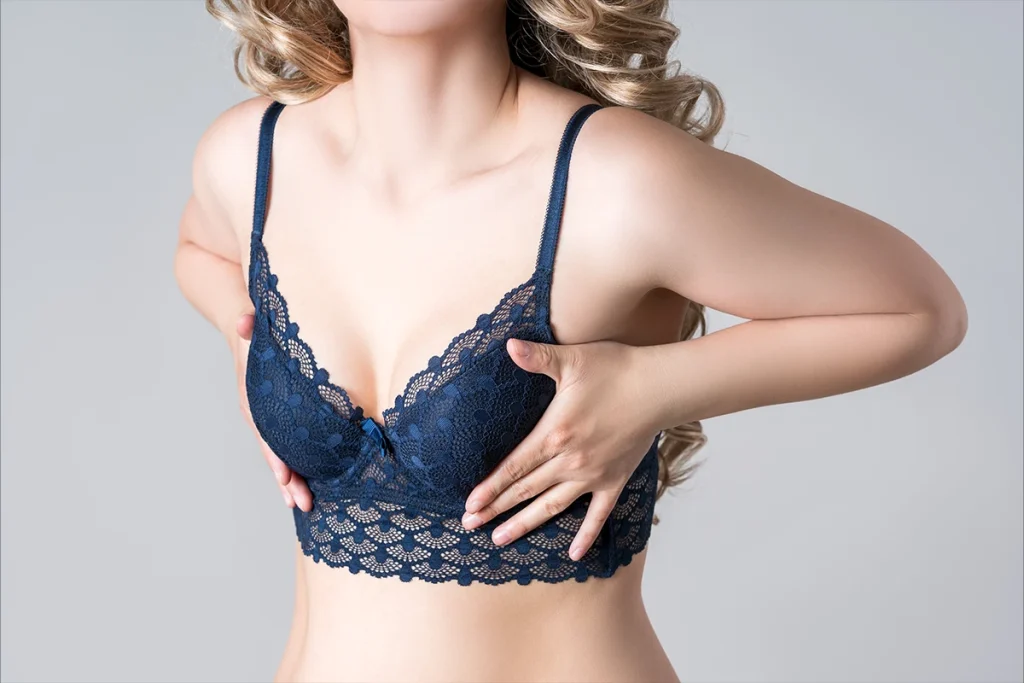
The moderate plus projection is the most popular implant profile choice globally. These implants are a relatively conservative choice compared to the larger profiles but still provide desirable fullness and shape.

This option has about a centimeter more projection and about 1 to 3 shot glasses’ worth more volume (depending on the company) than the moderate plus. This option projects further, provides a more dynamic change, and looks different than the moderate plus.

These implants provide the highest-profile boost. Women desiring the most dramatic change will likely choose extra-high profile implants, as they create the fullest and roundest look.

What Are the Different Types of Incision?
There are three types of incisions that you can choose from, depending on your implant type, preference, and aesthetic goals:
Inframammary Fold (Breast Fold)
Currently, the most popular incision type is the inframammary incision, which Dr. Gray places beneath the breast fold. This incision is the easiest to hide and has quickly become the most sought-after incision technique. This method is inconspicuous, allows for more precise implant placement, and has a low risk of affecting nipple sensitivity. It also has lower rates of capsular contracture and has a very low chance of affecting breastfeeding.
Periareolar (Nipple)
Although they are the same size, periareolar incisions are slightly more visible than inframammary incisions. This incision can affect nipple sensitivity and breastfeeding, though these issues are rare.
Tiny Nipple Incision
Dr. Gray invented a nearly undetectable incision method dubbed the “tiny nipple incision,” and has performed this method on thousands of patients. The tiny nipple incision can only be performed when the patient selects a saline breast implant. Silicone gel patients must choose between inframammary or periareolar incision placement.
How is a Breast Augmentation Performed?
- Consultation and measurements: Dr. Gray assesses your anatomy, discusses goals, and uses implant sizers so you can see and feel the options.
- Implant planning: type, size, profile, and placement are chosen together, with the incision location decided.
- Surgery day: the procedure takes around 2 hours under general anesthesia in our private AAAASF-accredited surgical suite.
- Recovery room: Exparel provides long-lasting pain control. No drains are used, and you can shower the same day.
- Follow-up visits: check-ins through the first weeks to confirm healing and settling.
What Should I Expect in Recovery?
Same Day
Return Home & Shower — You return home the same day as your surgery. Because Dr. Gray uses Dermaflex glue, you’ll have no dressings, drains, wrappings, or bandages, and you can shower the same day. You’ll wear an underwire support bra starting immediately after surgery.
Days 3–4
Peak Swelling — Swelling reaches its maximum three to four days after surgery. After this point, swelling gradually begins to dissipate as your breasts settle into their new position.
1 Week
First Follow-Up — Your first post-op follow-up appointment with Dr. Gray.
2 Weeks
Second Follow-Up & Bra Change — Your second follow-up with Dr. Gray. You’ll switch from your initial underwire support bra to a more supportive underwire bra for the remaining postoperative period, with guidance on the best bras to maintain your results.
~3 Weeks
Glue Falls Off — The Dermaflex glue naturally falls off around this time, and any sutures continue to dissolve on their own.
5 Weeks
Activity Restrictions Lift — Until this point, activity is limited to flat walking, with no heavy lifting or exercise. At five weeks, you can begin gradually increasing your physical exertion level.
1 Month-3 Months
Follow-Up — Continued follow-up with Dr. Gray to monitor healing progress.
4 Months
Swelling Fully Resolved — Swelling typically finishes healing by around this point, along with your final scheduled follow-up. Dr. Gray remains available to answer questions throughout your entire recovery.
Your Breast Augmentation Consultation with Dr. Gray
Your next step is a one-on-one consultation with Dr. Gray, where he’ll walk you through each option, answer your questions, and let you try on actual implants to see how they’d look with your body type. His goal is to make sure you feel confident, informed, and prepared before deciding on breast enlargement surgery.
Breast Augmentation FAQs
Who is an ideal candidate for breast augmentation in San Francisco?
If your breasts have been affected by age, pregnancy, or weight loss, this surgery can revive them with increased breast volume. It is also a welcome option if you work out with weights or have limited original breast mass. Dr. Gray would be happy to discuss your particular breast augmentation goals in consultation.
Do I need a breast lift or augmentation?
In general, a breast lift addresses a droopy breast, and breast augmentation adds breast volume. There are different breast lift options that address varying levels of droopiness. Dr. Gray can help determine which option best suits your goals during your consultation.
Does breast augmentation affect breastfeeding?
Usually not. Most women breastfeed after a breast enlargement procedure with no trouble. Some methods, such as an areolar incision and some types of breast lifts, can potentially interfere. However, this is highly unlikely. Virtually all of Dr. Gray’s breast surgery patients have had no problems breastfeeding as a result of implants. If you have any specific concerns about breastfeeding, Dr. Gray can address these in consultation.
What type of breast implant looks and feels the most natural?
Do you offer a flash recovery/24hr recovery breast augmentation?
Yes, we do provide a breast augmentation flash recovery. Dr. Gray is highly precise and will meticulously follow each procedural step to avoid bruising and ensure your recovery is as rapid and comfortable as possible. Dr. Gray also uses nerve blocks to prevent pain during and after the procedure. Exparel, a powerful numbing agent, can prevent pain for up to four days. For more details on a flash recovery, be sure to ask Dr. Gray about this in your consultation.
Does someone have to stay with me after surgery?
How long after my breast augmentation can I exercise?
After a breast augmentation surgery, the typical timeframe before you can resume exercise is usually around eight weeks. The healing process varies for each individual, and it’s crucial to follow your Bay Area board-certified plastic surgeon’s guidance on returning to exercise and increased activity. During the initial weeks, your body needs time to recover and for the incisions to heal properly. Intense physical activity, especially involving the chest muscles, can strain the surgical area and potentially interfere with the healing process and/or cosmetic results.
How should I sleep after breast augmentation?
After breast augmentation surgery, you want to avoid sleeping on your abdomen. This is because putting pressure on the surgical area could potentially disrupt the healing process and affect the position of the implants. Instead, sleeping on your back or on your side is recommended. Using pillows for support can help you find a comfortable sleeping position that minimizes pressure on the chest area. Some people find it helpful to place a pillow under their upper back to slightly elevate their upper body while sleeping on their back. This can help reduce swelling and discomfort. As your healing progresses, you’ll be able to gradually return to your preferred sleeping positions.
Do I need to wear a bra after breast augmentation?
Wearing a supportive bra after a breast augmentation is required to aid in the healing process and provide proper support to the newly augmented breasts. The Simone Perele Andorra t-shirt convertible bra is recommended due to its comfort and support features. Wearing it 24 hours a day for the first two months helps maintain the position of the implants, reduces swelling, and promotes optimal healing. After the initial two-month period, you can transition to your normal bra-wearing routine, keeping in mind that wearing bras with good support remains important. Bras with underwire are the only ones that provide good support and are advised during the early recovery phase to avoid bottoming out or implant malposition.
Will I have cleavage?
Creating cleavage with breast augmentation involves various factors, including implant size, placement, and surgical technique. Dr. Gray takes specific measures to achieve approximately one centimeter of cleavage. This involves relaxing the pectoralis major muscle sufficiently, which can influence how closely the breasts sit together. The choice of implant width also plays a role in cleavage result. An implant that matches the breast implant pocket allows the implants to be positioned closer to the center of the chest, contributing to the appearance of cleavage. It’s important to remember that individual anatomy and natural breast shape can influence the final outcome. While surgical techniques can help enhance cleavage, it’s essential for patients to have realistic expectations and communicate their desired outcomes clearly with Dr. Gray during the consultation process.
Can my breast be placed higher on my chest?
The goal is to position the implant in the center of the chest with the nipple in a desired location, often referred to as the “bullseye area.” This aesthetic consideration aims to create a balanced and natural appearance. In general, patients prefer the implant to sit 50% above the nipple and 50% below. Most people like cleavage of 1 cm and a touch of lateral fullness. During your consultation, discussing your goals with Dr. Gray is crucial. He can provide a detailed assessment of what can be achieved based on your anatomy and help you understand the potential outcome. Keep in mind that while there are general principles, each case is unique, and Dr. Gray will tailor the approach to best suit your specific needs and desired results.
How do you choose the best profile style and implant size for me?
Choosing the best breast implant profile style and size involves a collaborative process. During an in-office consultation, your existing breast tissue, body proportions, and personal preferences will be evaluated. Sizing will be performed with real implants for you to get an accurate look and feel of the end size and result. You will have the opportunity to go through all the profiles and gel types until you find the one that you like the most. Your input and preferences play a critical role in the decision-making process. While Dr. Gray can offer recommendations based on his expertise, ultimately, the goal is to achieve the look that aligns with your vision and goals. Choosing the profile that you prefer the most ensures that the result matches your expectations and feels comfortable for you. Remember that open communication is key. Be sure to discuss your desired outcome, concerns, and any questions you have during the consultation to make an informed decision that suits your individual body and aesthetic goals.
What are tuberous breasts, and can they be corrected with augmentation?
Tuberous breasts, also known as constricted breasts, are a developmental condition caused by bands of fibrous tissue that restrict normal breast expansion, especially around the areola. This can result in a narrow base, a herniated or mushroom-shaped nipple-areola complex, and varying degrees of severity from mild to pronounced. Standard breast augmentation alone won’t correct the problem because the constricting bands must be surgically released during the procedure. In experienced hands, this release is highly successful. Occasionally, a periareolar or Benelli mastopexy (breast lift) is also needed to reduce areola size, though that’s not required in most cases. The same constricting bands can also cause high inframammary folds, so recognizing and addressing this tissue constriction, whether around the areola or at the fold, is essential for optimal results in both tuberous breasts and high-fold patients.
How do I know what implant size is right for me?
The right implant size is the one that fits your breast width and looks the way you want on your frame, confirmed by trying sizers in the office. Cup size from a photo is not the starting point. Dr. Gray matches implant width to your pocket, so the result looks natural, with about a centimeter of cleavage.
In a first-time augmentation, you will try implants of different volumes and projections in a snug leotard, so you can see and feel the options on your body. Some patients choose in one visit; others come back. Either is fine.
If you already have implants, bring the width, projection, and volume of what you have now. Dr. Gray then plans the change with you to achieve what you want: larger or smaller, more or less projection, more or less cleavage from that starting point.
What can I expect from male to female top surgery?
Male-to-female top surgery is breast augmentation. The operation and the consultation are the same process: education, exam, sizer try-on, then a plan for implant type, projection, and size.
A few anatomic differences matter. The pectoralis major is often thicker. The nipple-areola complex often sits farther to the side. Filling the implant pocket out toward the chest wall usually makes the nipple look more centered; it has not actually moved inward. Patients are also often taller, with a broader chest, and less breast droop or volume asymmetry than is typically seen after pregnancy.
Implant width is typically finalized in the operating room once the pocket width is known. Because the skin and soft tissue often have not been stretched by pregnancy or breastfeeding, the starting canvas can be very favorable.
Can I have my implants removed?
Yes, you can always have your implants removed. Sometimes, patients choose to have a removal and replacement of their implants. This is known as breast revision surgery. These concerns can be reviewed in consultation with Dr. Gray.
Do implants cause breast cancer?
The FDA (Food and Drug Administration) has found no increase in breast cancer from breast implants. However, textured implants have been linked to ALCL (anaplastic large cell lymphoma), a cancer of the immune system. For this reason, Dr. Gray does not offer textured implants.
Should I worry about capsular contracture?
Capsular contracture is a risk, although it’s not particularly common. Everyone with implants develops a capsule, but capsular contracture is when the capsule begins to harden and sometimes squeeze the implant. Most contractures can be treated conservatively, and treatments for bad contracture are now better than they were in the past.
What are the chances that my breast implants deflate & how will I know?
There is a risk for any implant to deflate, but this is very low. Silicone implants generally have a lower rate than saline. All manufacturers have warranties for deflation and contracture. For silicone implants, there are two detection options: physical exam and MRI. When saline implants deflate, they physically shrink, making them much easier to detect visually. Saline implants will deflate much quicker and are absorbed by your body naturally and safely. Silicone implants can be detected with an MRI. Both types of implants are covered under warranty.
What is the no-touch technique?
The no-touch technique in breast augmentation refers to a surgical method where the breast implant is handled with minimal contact to the skin and surrounding tissues. The goal is to reduce the risk of bacterial contamination during the surgery, which could potentially lead to complications like capsular contracture. Dr. Gray uses this technique with every breast augmentation case. By minimizing direct contact between the implant and skin or surrounding tissues, the risk of introducing bacteria into the surgical area is reduced. Capsular contracture occurs when the scar tissue that forms around the implant tightens and squeezes the implant, causing discomfort and distortion. Using the no-touch technique with every case indicates a commitment to patient safety and the prevention of potential complications. This technique, along with proper post-operative care, can contribute to better outcomes and lower risks of complications for breast augmentation patients.
When do I need an internal bra or Galaflex for breast augmentation?
An “internal bra” or a material like Galaflex may be used in breast augmentation surgeries to provide additional support and reinforcement for the breast implants. Galaflex is typically used in breast augmentation revision cases where the breast implant pockets have become stretched out. Breast implant pockets can stretch over time due to factors like natural aging, pregnancy, weight fluctuations, or trauma. Galaflex, a type of surgical mesh or scaffold, can be used to reinforce the weakened tissue and help maintain the desired position of the implants. If you’re considering breast augmentation and have questions about whether an internal bra or similar technique might be beneficial for your situation, discussing your concerns and goals with Dr. Gray is key to making an informed decision. Galaflex Lite is a newer variation of the Galaflex material that offers improved characteristics, such as being thinner, lighter, and more flexible. This version aims to provide similar benefits as Galaflex, such as reinforcing weakened tissue and providing support in breast augmentation surgeries, while also offering a smoother and more comfortable feel.
Will I have drains after breast augmentation?
No, Dr. Gray does not use drains for breast augmentation surgeries.
Will sutures need to be removed after breast augmentation?
Dr. Gray uses absorbable sutures for closing breast augmentation incisions. These sutures are designed to be gradually broken down by the body, eliminating the need for suture removal. In addition, a no-knot technique is used to avoid wound healing problems in the post-operative period. This technique, using sutures without knots and leaving a short tail that protrudes from the skin, allows for easy identification of the sutures and makes it simpler to trim them after a certain period. With this “cat whisker” technique, the small protruding tails are simply trimmed at the skin around two weeks after surgery; the rest of the suture dissolves on its own, so no stitches need to be pulled out. Using absorbable sutures with this technique offers a few advantages, including avoiding the discomfort associated with suture removal and minimizing wound healing problems.
Will there be a scar?
Following breast augmentation surgery, there will be a scar where the incision was made to insert the implants. The goal is to place the scar in a location that is least noticeable and blends with the natural contours of the body. The preferred location for the scar is often where the inframammary fold is, although its placement might differ from the fold’s original position before surgery. This is more popular than the areolar incision today because the capsular contracture rates are lower, although both can be well hidden. After the surgery, there are measures that can be taken to help minimize the appearance of the scar. The use of Biocorneum®, a topical silicone preparation, can aid in promoting scar healing and reducing scar visibility. Additionally, treatments such as microneedling with devices like the Potenza can be utilized at a later date to further improve the appearance of scars. Micro-needling involves creating controlled micro-injuries to the skin, stimulating collagen production and potentially leading to smoother and less noticeable scars over time.
How do I make sure that I get the size I want?
Ensuring that you achieve the desired breast implant size involves a collaborative process. During your in-person consultation, a sizing consultation will be done. This will give you the opportunity to see, touch, and try on actual silicone implants of all profiles in order to make the best decision for you. Your input is highly valued. You’re given the opportunity to select the implant profile and type of gel implant that aligns with your preferences and desired outcome. The width of the implant is determined at the time of surgery to ensure that it matches the width of the breast implant pocket. This consideration helps achieve a more natural and balanced appearance. This approach ensures that Dr. Gray considers both your preferences and the technical aspects of achieving the best fit for your body. Communication during the sizing consultation is crucial to ensure that your expectations align with what can be realistically achieved. By actively participating in the decision-making process and sharing your goals, you increase the likelihood of getting the size and results you desire from your breast augmentation surgery. Matching the width of the breast implant with the width of the breast implant pocket is a surgical technique that aims to achieve a specific outcome, which in this case is generating approximately one centimeter of cleavage. He always provides patients with a range of implant options during the consultation process, showing different implant sizes, styles, and projections to help them make informed decisions about their desired outcome.
Will my breasts feel tight after surgery and will I hurt something if I move?
After breast augmentation surgery, it’s common to experience a sensation of tightness in the chest area. This tightness is due to the presence of the implant and the natural swelling that occurs after surgery. Over time, as the swelling subsides and the tissues gradually adjust to the new implant, this tight feeling will lessen. The low activity guidelines after breast augmentation surgery are designed to support a smooth and successful recovery. Limiting lifting to no more than one pound is crucial during the initial recovery period. Lifting heavy objects or engaging in activities that strain the chest muscles could put stress on the surgical area and potentially compromise the healing process. Restricting exercise to flat walking is a cautious approach that minimizes the risk of complications. Following the low activity guidelines for six to eight weeks is a common timeframe for many breast augmentation patients. Wearing the recommended Simone Perele bra, 24 hours a day for two months, helps maintain proper implant positioning and provides support during the initial healing phase. Adhering to these guidelines is crucial for achieving the best outcome and minimizing the risk of complications.
What are the most common complications of breast augmentation?
The most common complications of breast augmentation are capsular contracture, deflation, and infection. Capsular contracture occurs when the scar tissue that naturally forms around the implant tightens and compresses the implant. This can lead to discomfort, distortion of the breast shape, and a firmer feel. Factors such as implant type, surgical technique, and patient characteristics can influence the risk. Deflation typically refers to saline implants rupturing or leaking. While modern silicone implants are more commonly used, saline implants can still experience deflation due to implant failure. Infection is a concern with any surgical procedure. In breast augmentation, infection can occur around the implant, leading to potential complications. Careful adherence to sterilization protocols and post-operative care can help mitigate this risk. These complications occur in less than one percent of Dr. Gray’s cases, reflecting a well-executed surgical approach and emphasizing the importance of proper patient selection, surgical technique, and post-operative care. While the risk is low, it’s still essential to understand the potential complications associated with any surgery and to follow instructions to ensure a smooth and successful recovery.
Will I need my breast implants replaced in the future?
Breast implants, being man-made implantable devices, do have a finite lifespan, and there is a possibility that you may need to have them replaced in the future. The timeline for when replacement might be necessary isn’t precisely defined by specific intervals like 10, 15, or 20 years. Instead, it varies from person to person and can depend on several factors, including the type of implants used, your individual body response, and potential complications. The general principle is “if they’re not broken, don’t fix them.” In other words, if you’re not experiencing any issues with your implants and they’re still functioning well, replacement might not be necessary. However, in the event of complications such as implant rupture or deflation, addressing the problem through replacement is recommended. Regular follow-ups and periodic imaging, such as MRI for silicone implants, can help monitor the condition of your implants over time. Staying informed and maintaining open communication with Dr. Gray will ensure that you receive personalized guidance about when or if implant replacement becomes necessary. It’s important to be aware that while the potential for replacement exists, many women enjoy long-term satisfaction with their breast implants without experiencing complications.