

30+ Years
Breast & Body Surgery
Double Board-Certified
Plastic Surgeon
6,000+
Body Procedures Performed
AAAASF-Accredited
Surgical Facility
Bay Area Brazilian Butt Lift and Fat Transfer | Dr. Leonard Gray
The breasts get plenty of attention among those interested in plastic surgery, but the butt has now become another area that patients frequently want to augment. Fortunately, Bay Area Plastic Surgery offers a buttock augmentation method that delivers exceptional results in an all-natural way.
Fat transfer to the buttocks, also referred to as a Brazilian butt lift (BBL), uses a patient’s own fat cells to make their buttocks look bigger, higher, and more shapely. Countless patients have enjoyed their fulfilling results from this state-of-the-art procedure. Dr. Leonard Gray, Bay Area Plastic Surgery’s double board-certified plastic surgeon, is an expert in liposuction, fat transfer, and Brazilian butt lift methods. He is prepared to help you achieve the buttock augmentation results you’ve been waiting for.
Learn more about the Brazilian butt lift in San Francisco by calling 415-434-8858 or contacting us online today!
Brazilian Butt Lift and Fat Transfer Results
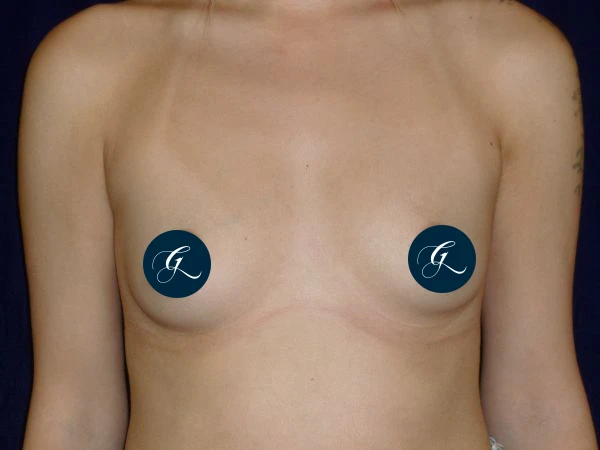
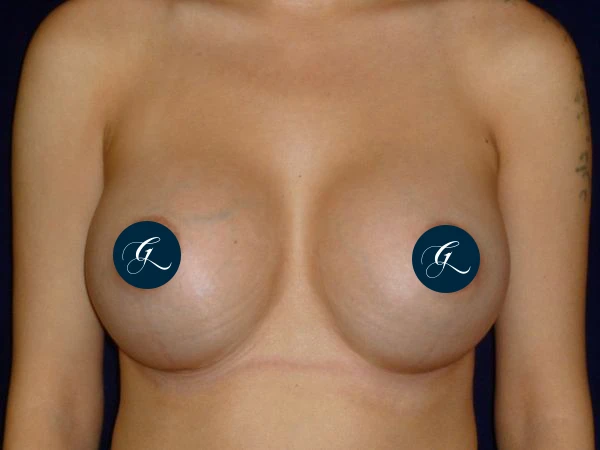
Quick Links
What is a Brazilian Butt Lift?
A Brazilian butt lift, or BBL for short, is a procedure in which fat cells are safely extracted from another area of the body and precisely redistributed into the buttocks. Dr. Gray uses an advanced version of liposuction to remove the fat cells and then carefully reinserts them evenly into the new site. His methods are designed to help the transferred fat establish a new blood supply, giving you soft, natural-looking, long-lasting results. Similar techniques can also be used to transfer fat to the breasts.
How Does Dr. Gray Perform Fat Transfer to the Butt?
Each patient will have a procedure that is unique to their needs. With that said, there are some general steps that every fat transfer operation will follow:
Liposuction
First, Dr. Gray uses power-assisted liposuction to remove fat from the donor site. This liposuction method presents the least traumatic option to remove fat cells. It (along with Dr. Gray’s skillful techniques) also dramatically reduces the chances of dents, irregularities, and other unwanted complications. You can learn more about liposuction by viewing our liposuction page. Dr. Gray will also make sure that the device’s suction pressure is not too high, as this can also damage the fat cells, and then collect the fat cells and place them into a sterile container.
Fat Cell Processing
Once in the container, the fat separates by gravity, so it is never handled directly. Dr. Gray does not believe in manipulating the fat cells— doing so can damage them and prevent the body from retaining them. Once the fat has been adequately separated, it will be pure and ready to be transferred to the new site. Fat cells only have about 48 hours to establish a blood supply in the new spot. Thus, they will need to be injected precisely. Dr. Gray’s injecting methods center around this fact.
Fat Transfer
Dr. Gray will then prepare the new site for fat transfer. He will pre-tunnel the area and then use a specialized cannula to distribute the transferred fat evenly throughout the region. Rather than injecting large sections at a time, he will make “tree branch” injections into each spot. This allows for the most balanced look with the best chance of the cells picking up a blood supply and being retained by the body. Dr. Gray also understands that a specialized cannula needs to be used to keep the cells alive. He has found that 3 mm cannulas typically work best, as anything smaller risks damaging the cells. To be done safely, fat needs to be injected superficially (above the muscle). Dr. Gray typically injects all of the fat in just one small puncture site with a stitch that dissolves on its own. This injection site is strategically placed and will not be visible.
Leonard W. Gray, MD, FACS: Double Board-Certified Plastic Surgeon
30+ years of breast and body expertise
What Can I Expect in a Brazilian Butt Lift Recovery?
BBL patients will be given a specialized garment that compresses the liposuction areas but not the buttocks. You will get the best results by ensuring the blood supply to the transferred fat is not interrupted. So, you will need to stay off of your bottom until this connection is well established. You can stand, lie down on your sides or stomach, and sit down with a specialized BBL pillow to keep weight off your buttocks. Most patients can resume normal activities after about six weeks to two months.
What are the Benefits of a Brazilian Butt Lift?
When performed by an expert plastic surgeon with proven methods, fat transfer to the butt can have some incredible benefits, including:
If you’re one of the many people who live a healthy lifestyle but can’t achieve your ideal body shape through diet and exercise, a BBL may be the option you’ve been waiting for. This operation reshapes the buttocks, allowing you to modify the natural curvature of your body. This means you can go for an hourglass figure or simply make your buttocks bigger. The choice is entirely yours.

Dr. Gray will make use of the fat you already have. Using power-assisted liposuction, he takes excess fat from other parts of your body and reinjects it into your buttocks. Some of the areas they may take it from include your hips, stomach, thighs, and love handles.

A BBL is the only procedure that uses your body’s real fat deposits to achieve your dream shape. This means that the results are natural both in look and feel. Plus, if you lose weight or work out your butt in the gym, your body shape will change accordingly.

Liposuction slims areas such as the abdomen, flanks, or thighs, while the transferred fat enhances the shape and projection of your buttocks.

Because the procedure uses your own fat rather than implants, results look and feel natural.


What Is Fat Transfer to the Breast and Who Is a Good Candidate?
Dr. Gray also offers fat transfer to the breast. This procedure often works best for those interested in breast reconstruction surgery, including women who have had:
- Mastectomy
- Mastectomy and Radiation
- Lumpectomy
Breast fat transfer may also be a suitable option for select patients looking for subtle cosmetic changes and those who do not want to insert foreign materials into the body. However, the cells will not take as well as they will in the buttock area, meaning more than one session may be needed.
For more dynamic results, women typically choose breast augmentation or a breast lift. Dr. Gray can help you decide which option is right for you when you come in for a consultation.
Begin Your San Francisco Brazilian Butt Lift or Fat Transfer Journey Today!
If you feel that a Bay Area Brazilian butt lift may help you gain the body you’ve always wanted, your next step is to schedule a consultation with Dr. Leonard Gray! Dr. Gray takes a patient-centered approach to care. He values patient education, wanting each of his patients to be empowered to make an informed choice on their own. Dr. Gray and the rest of the Bay Area Plastic Surgery team invite you to visit our office for a consultation. Here, you can ask questions, meet the staff, see the facility, and plan out your next steps. We look forward to speaking with you soon! Get started by calling 415-434-8858 or contacting us online today.
San Francisco Brazilian Butt Lift and Fat Transfer—FAQs
How much fat will be transferred in my Brazilian butt lift procedure?
Dr. Gray often mentions that it takes more fat than patients think to adequately perform this procedure. He usually recommends at least 400–500 cc to see the best results. You and Dr. Gray will discuss this in further detail as you begin planning your operation.
Where will Dr. Gray inject fat during my Brazilian butt lift?
Dr. Gray will inject fat into areas of the buttocks in a specific order to achieve the best-looking and most sustainable results. His methods have proven to work time and again, and he can explain this further when you meet with him one on one.
How much does a Brazilian butt lift cost in San Francisco and the Bay Area?
Because there are so many factors to consider, Dr. Gray will first need to properly evaluate you in consultation. Our team can provide you with a detailed estimate at this time.
Can I combine liposuction with a Brazilian butt lift?
Yes. Dr. Gray’s patients often choose to add liposuction to other areas to contour their bodies before transferring fat to the buttocks. This is ideal, as the procedure requires liposuction anyway. Fat can also be transferred to the breasts. Dr. Gray can speak with you about your other options during your one-on-one consultation with him.
Can I combine a Brazilian butt lift with EMSculpt NEO?
Yes, many patients enjoy EMSculpt NEO buttock sessions once they have healed from surgery. This helps to build and tighten the glutes even further. It is also a nice alternative for patients who do not have enough fat for BBL surgery.
What are the risks of a Brazilian butt lift?
As with any surgery, there will be risks of bleeding, infection, pain, and scarring. Dr. Gray is well prepared and will do everything he can to avoid these complications.
Can you get a BBL if you don’t have much fat?
A Brazilian butt lift uses your own fat, so the procedure depends on having enough donor fat to harvest and transfer. Dr. Gray evaluates each patient’s donor areas, such as the abdomen, flanks, hips, and back, to see how much fat is available and to determine the realistic results for that anatomy.
Patients with limited fat in any one area often still have enough spread across several donor sites to achieve a natural, proportional improvement, even when the overall change is more subtle than what a patient with more donor fat could expect. Because BBL results scale with the fat available, Dr. Gray will be upfront about what your body can support before moving forward with surgery.
If donor fat is genuinely insufficient for the results you want, gaining a small amount of weight before surgery can sometimes create more volume to work with. The best way to find out what’s possible for you is a consultation with Dr. Gray, who can assess your anatomy and walk you through realistic options for your goals.
How do you perform the BBL operation?
- Anesthesia and Liposuction: BBL involves two main steps: liposuction to harvest fat and fat transfer to enhance the buttocks. Performing the procedure under general anesthesia allows for a more aggressive and comprehensive liposuction, which is crucial for achieving a high-definition liposuction result. This means that excess fat is carefully removed from areas such as the abdomen, hips, thighs, or flanks.
- Fat Harvesting: The harvested fat is collected in a sterile container and carefully processed to remove impurities and excess fluids. This processed fat is then used for the fat transfer portion of the procedure.
- Fat Separation: Gravity is often used to separate the healthy fat cells from any excess fluids or impurities. This purified fat is then ready for transfer.
- Pre-Tunneling the Target Area: Before fat transfer, the target area (the buttocks) is pre-tunneled. This involves creating small tunnels in the existing tissue to accommodate the transferred fat cells. Pre-tunneling allows the transferred fat cells to come in close contact with healthy tissue, increasing the likelihood of fat survival and integration.
- Fat Transfer Priorities: During the fat transfer phase, careful consideration is given to where the fat is placed to achieve the desired shape and proportions. The transfer locations are prioritized as follows:
- Hip Dip: The hip dip area, also known as the “violin hips” or “trochanteric depression,” is often a priority for fat transfer to enhance curves and create a more hourglass figure.
- Superior Portion of Buttock: The upper part of the buttock, often referred to as the “upper pole,” is targeted to achieve a lifted and perky appearance.
- Body of Buttock: The main body of the buttock is then enhanced to create volume and contour.
- Closure and Stitches: All incisions made for liposuction and fat transfer are typically closed using dissolvable buried stitches. This eliminates the need for stitch removal later in the recovery process.
How do you ensure safety with the BBL operation?
Safety is paramount in any surgical procedure, including the Brazilian butt lift (BBL). The most important is injecting fat only into the layer just beneath the skin, never into or below the muscle. These factors include:
- Fat Injection Depth: Injecting fat deeply into the buttocks, particularly into or near muscle tissue, can indeed be risky and potentially life-threatening. This is due to the potential for fat embolism, where fat enters the bloodstream and travels to vital organs, causing serious complications. To ensure safety, it’s crucial that the fat is injected strictly into the subcutaneous fat layer and not deeper. This is why proper technique and precision are imperative during fat transfer.
- Patient Positioning: The positioning of the patient during fat transfer can also impact the safety of the procedure. Injecting fat while the patient is in a lateral (side) position can help reduce the risk of injecting the fat too deeply. This positioning allows for better control and accuracy during the fat transfer process, ensuring that the fat is placed in the appropriate subcutaneous layer.
- Adhering to Guidelines: Surgeons should adhere to established guidelines and best practices for BBL surgery to ensure patient safety. These guidelines often emphasize proper injection technique, avoiding deep fat injection, and monitoring the patient closely during and after the procedure.
- Thorough Preoperative Assessment: A comprehensive preoperative assessment is essential to determine if a patient is a suitable candidate for BBL surgery. Factors such as medical history, current health status, and body composition should be carefully evaluated to ensure that the patient can undergo the procedure safely.
- Postoperative Care: The postoperative period is crucial for monitoring the patient’s recovery and ensuring that any potential complications are addressed promptly. Dr. Gray provides patients with clear instructions for aftercare and what warning signs to watch for.
How long do you not sit on your buttocks following BBL surgery?
- Duration of Sitting Avoidance: Avoiding sitting directly on the buttocks is crucial during the first two months of BBL recovery. This timeframe allows the newly transferred fat cells to establish a blood supply and integrate into the surrounding tissues, which contributes to their long-term survival.
- BBL Pillows: BBL pillows are specially designed cushions that have a cutout or opening in the middle to relieve pressure on the buttocks while sitting. These pillows are popular among BBL patients because they allow them to sit without putting direct pressure on the newly enhanced area. Using BBL pillows can be very helpful in maintaining the shape and contour achieved through the surgery.
- Alternative Seating and Standing Desk: During the recovery period, alternative seating options can help avoid pressure on the buttocks. For example, sitting on a cushioned surface with a gap in the center, using a doughnut-shaped cushion, or using a recliner can reduce pressure on the treated area. Additionally, if feasible, a standing desk can be a useful solution for working while minimizing pressure on the buttocks.
- Sleeping Position: Sleeping on your side or stomach can help prevent direct pressure on the buttocks while sleeping. Using pillows to support the body and maintain a comfortable position can contribute to a smoother recovery.
How do you ensure maximal fat cell survival with BBL surgery?
Ensuring maximal fat cell survival during a Brazilian butt lift (BBL) surgery is crucial for achieving successful and long-lasting results.
- Gentle Harvesting Techniques: The first step in ensuring fat cell survival is using gentle and precise harvesting techniques during liposuction. Excessive suction pressure can damage fat cells. The use of tools like the power-assisted liposuction device, which minimizes trauma to fat cells, is essential. Avoiding devices that generate heat or friction, such as lasers, helps preserve the viability of harvested fat.
- Minimal Manipulation: Minimizing the manipulation of harvested fat is crucial to prevent damage to fat cells. Using a separate sterile container for fat collection allows fat cells to settle and separate from fluids naturally, reducing the risk of trauma. This “gentle handling” approach ensures that fat cells are not subjected to unnecessary stress during the collection process.
- Injection Technique: Injecting the harvested fat into the buttocks requires a thoughtful technique to promote fat cell survival. The injection cannula’s size matters because it determines the pressure applied during injection. Using an appropriately sized cannula ensures that the injection pressure is not excessive, which can protect fat cells from damage.
- Avoiding Overfilling: While fat transfer aims to achieve the desired volume and contour, it’s important not to overfill the buttocks. Injecting excessive amounts of fat in a single area can lead to compromised blood flow and fat cell survival.
- Proper Blood Supply: During fat transfer, ensuring that the transferred fat cells establish a blood supply is crucial for their survival. Placing the fat cells within the appropriate tissue layers and avoiding deep injection helps facilitate blood vessel integration and nutrient exchange.
- Postoperative Care: Patient compliance with postoperative instructions is vital for fat cell survival. Patients should avoid activities that can disrupt the healing process, such as sitting directly on the buttocks. Avoiding this pressure helps protect the transferred fat and supports its survival.
Is massage necessary following liposuction or BBL surgery?
- Comfort and Relaxation: Post-operative massage can offer patients a sense of comfort and relaxation during the recovery period. Gently massaging the treated areas may help alleviate muscle tension, reduce discomfort, and promote a sense of well-being. Patients often find the gentle touch of massage to be soothing, which can contribute to their overall recovery experience.
- Softening Indurated Areas: After liposuction or BBL surgery, some patients may experience areas of firmness or induration in the treated regions. These firm areas can result from the body’s natural healing process and the response to trauma from surgery. In certain cases, post-operative massage using a therapeutic ultrasound device may help soften these areas by promoting improved blood circulation and lymphatic drainage. However, it’s important to note that these firm areas often resolve on their own with time, regardless of massage.
- Enhancing Lymphatic Drainage: Gentle massage can stimulate lymphatic circulation, which may help reduce swelling and promote the elimination of fluids. Improved lymphatic drainage can potentially accelerate the body’s healing process and contribute to a more comfortable recovery.
- Patient Preferences: The decision to incorporate post-operative massage into the recovery process is often based on individual patient preferences. Some patients enjoy the physical and emotional benefits of massage and choose to include it as part of their recovery routine.