

30+ Years
Breast & Body Surgery
Double Board-Certified
Plastic Surgeon
6,000+
Body Procedures Performed
AAAASF-Accredited
Surgical Facility
Bay Area Liposuction in San Francisco by Dr. Leonard Gray
Patients with stubborn pockets of excess fat have long turned to liposuction as their treatment of choice. While the procedure has been popular for many years and is offered by many providers, it takes the knowledge and expertise of a meticulous, accomplished, and double board-certified plastic surgeon to deliver the very best outcome.
Dr. Leonard Gray, our San Francisco-based, double board-certified plastic surgeon, has spent many years developing his results-oriented liposuction techniques. Always striving for perfection, Dr. Gray is known throughout the Bay Area for delivering highly contoured and lasting liposuction results. Dr. Gray invites you to come in for an informative consultation to see how you can benefit from liposuction.
Learn more about liposuction in San Francisco by reading on, or reach out to Dr. Gray and Bay Area Plastic Surgery by calling 415-434-8858 or contacting us online today!
Liposuction Results
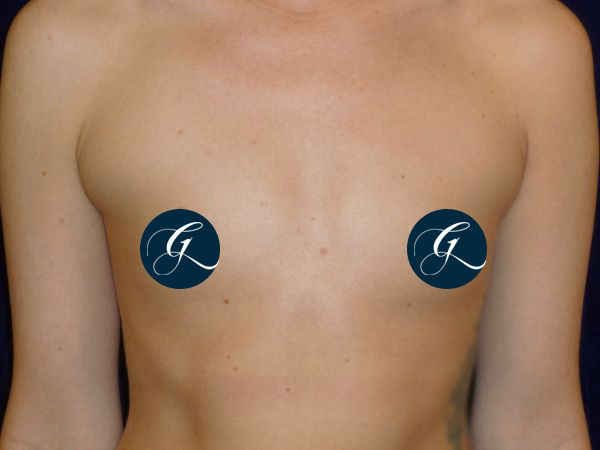
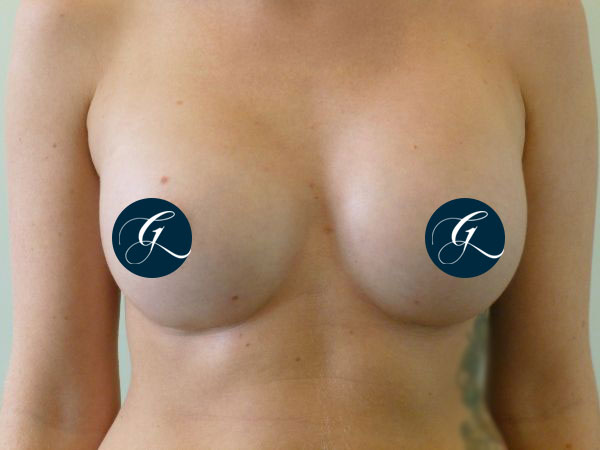
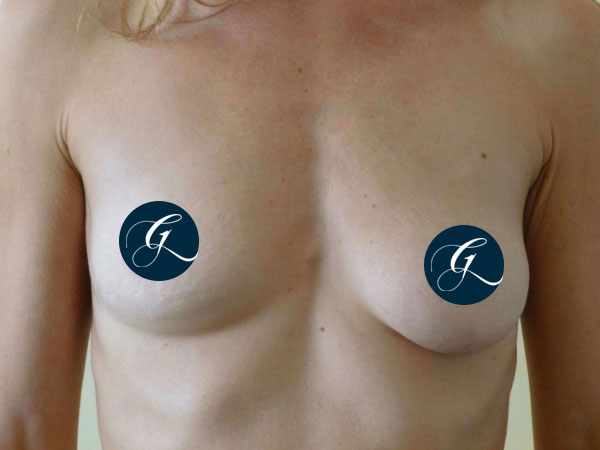
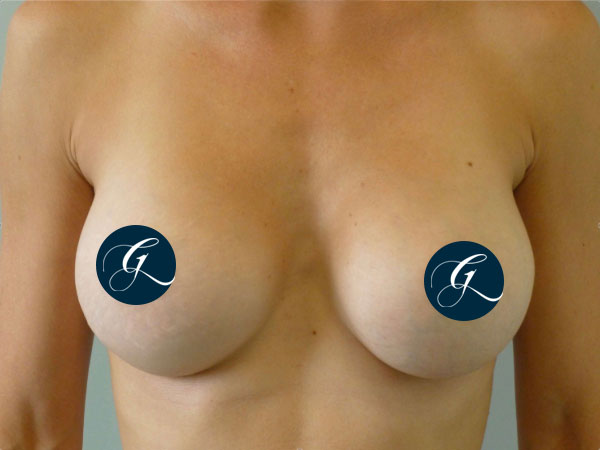
What Is Liposuction?
Liposuction removes pockets of stubborn fat from various areas of the body, including the abdomen, waist, hips, inner thighs, knees, arms, chest, back, and underneath the chin. It has been around for quite some time but continues to improve with new techniques and developments. Dr. Gray has practiced liposuction for many years with the intent of bringing his patients the most flawless results possible. It should be noted that liposuction is not a weight-loss procedure; rather, it is a way to remove the last bits of fat that are hard to reach by working out or eating right.
What Are the Benefits of Liposuction?
Liposuction offers many outstanding benefits, particularly when administered by a specialist of Dr. Gray’s caliber.
Dr. Gray’s liposuction patients frequently enjoy:
- Maximal contouring of the abdomen, waist, hips, thighs, knees, and more.
- A slimmer, sleeker profile.
- A defined S-curve body shape.
- Smooth, even, and natural-looking results.
- Few, small, and concealable scars.
- No asymmetry, depressions, or inconsistencies.
- Enhanced self-confidence.
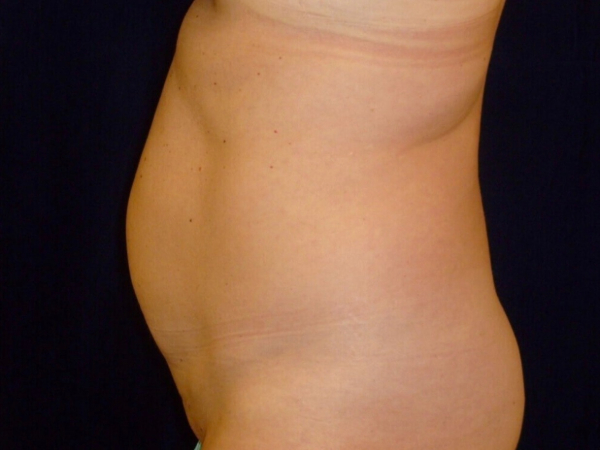
Before
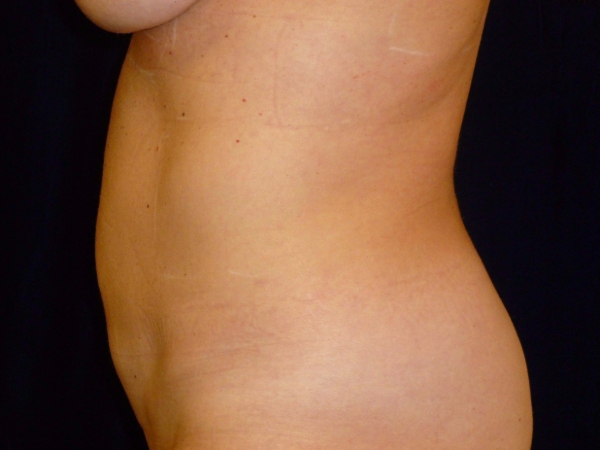
After
Leonard W. Gray, MD, FACS: Double Board-Certified Plastic Surgeon
30+ years of breast and body expertise
Why Should I Choose Dr. Gray as My San Francisco Liposuction Surgeon?
It is imperative that you receive liposuction from a specialist who has your best interests in mind, has performed many liposuction procedures, and is double board-certified. Dr. Gray’s philosophy is to provide his patients with the most dramatic results that can be achieved safely and precisely.
Dr. Gray puts every effort into avoiding asymmetry, contour irregularities, and other issues that some associate with liposuction. Our patients love their maximally contoured and even results, as can be seen in our many positive reviews!
What Type of Liposuction Does Dr. Gray Use?
There are many forms of liposuction, including laser liposuction, ultrasonic liposuction, and more. After carefully assessing the capabilities and benefits of each method, Dr. Gray personally selected power-assisted liposuction.
Power-assisted liposuction utilizes a cannula with a vibrating tip to break down dense fat deposits more quickly and easily for a faster recovery. This method has become Dr. Gray’s method of choice, as it allows him to reach outstanding results safely, efficiently, and precisely.
How Is Power-Assisted Liposuction Performed?
Your procedure will be performed under general anesthesia, which Dr. Gray has found is the best way to ensure patient comfort, in Bay Area Plastic Surgery’s AAAASF-accredited surgical suite. Dr. Gray first makes a small, hidden incision through which a cannula can be inserted. He then adds a tumescent solution consisting of saline, a local anesthetic (typically lidocaine), and a vasoconstrictor (normally epinephrine) to reduce bleeding. The cannula is then moved back and forth to loosen fatty deposits while simultaneously suctioning away the tissue.
Because the tip of the cannula vibrates, the process removes fatty deposits more cleanly and quickly.
What Can I Expect in My Liposuction Recovery?
Liposuction recovery is very manageable for most patients, especially since Dr. Gray’s methods allow for a fast and efficient recovery process. You will be given a full list of aftercare instructions to help you throughout your recovery phase.
Patients can generally expect:
- To Go Home the Same Day: Liposuction is an outpatient procedure, meaning the majority of patients can go home on the same day. You will still need to arrange for someone to take you home afterwards.
- Temporary Swelling and Soreness: You will likely have moderate discomfort for the first several days, but Dr. Gray can prescribe medication and detailed aftercare instructions to help manage this. Pain and soreness typically dissipate within several weeks, while swelling can last around 6 weeks.
- Compression Garments: Each liposuction patient receives a kit of two compression garments. These garments are handmade locally, and the size is based on each individual’s measurements. You will wear a compression garment home after surgery.
- A Gradual Return to Work and Exercise: Many patients with low-exertion jobs return to work after 1–2 weeks. Those with more demanding jobs may need to wait a bit longer. After about four weeks, most people are able to resume light exercise, but heavy or strenuous activity should still be avoided. Dr. Gray can help you determine when it is safe to return to work and exercise during your follow-up appointments.
- Help from Dr. Gray: Dr. Gray and his team care about each patient’s well-being. He will schedule follow-ups with you and make himself available if you have any questions, issues, or concerns.
- Outstanding Results: Lastly, patients choose Dr. Gray because of his reputation for providing the great results they desire. Dr. Gray will do everything he can to ensure that your outcome exceeds your expectations! You should see your full results develop over the next 4–6 weeks as your swelling and bruising continue to heal.
Ready to Learn More?
To see how liposuction in San Francisco can help you obtain your ideal body, please reach out to Bay Area Plastic Surgery today! Call 415-434-8858 or contact us online today to get started. Also, be sure to view our FAQ section for more useful information.
Best Liposuction in San Francisco — FAQs
Can I transfer the removed fat to other areas of the body?
Yes, Dr. Gray offers liposuction fat transfer to several areas. Patients choose a Brazilian butt lift to transfer fat to the butt. Some may also choose to transfer fat to the breast. You can read more about fat transfer and Brazilian butt lift options by following the link.
Will I have loose skin after liposuction?
Usually not. Dr. Gray sees about a 10% natural skin tightening with his patients after a liposuction procedure. For patients who want even more tightening, BodyTite and FaceTite are bipolar radiofrequency skin tightening devices that can effectively tighten multiple areas of skin after liposuction. Dr. Gray offers both of these methods.
How much does liposuction cost in San Francisco?
Liposuction cost depends on your procedure’s extent, how many areas you are addressing, and other factors. Dr. Gray will provide you with a detailed estimate after you have been evaluated in a consultation. We also offer financing options through CareCredit and Alphaeon.
Does Dr. Gray offer male liposuction in San Francisco?
Yes, Dr. Gray regularly performs liposuction procedures for both men and women.
Does Dr. Gray offer 360 liposuction?
We perform liposuction of the entire trunk from the pubic area to the chest and all the way around the back. Our 360 liposuction uses a few small, hidden incisions. Be sure to ask Dr. Gray if he thinks 360 liposuction is right for you.
What other body procedures can I choose from?
In addition to his surgical specialties in the breast and face, Dr. Gray is also an expert in body contouring procedures, including tummy tuck, mommy makeover, non-surgical skin tightening, and more. Dr. Gray will help you decide which options would be best for you when you meet with him in a consultation.
What is tumescent liposuction?
Tumescent liposuction is a widely used technique in cosmetic surgery to remove excess fat deposits from various areas of the body. The term “tumescent” refers to the swollen and firm state that the targeted area achieves after the injection of an anesthetic solution.
During the tumescent liposuction procedure, a solution containing a local anesthetic (lidocaine) and a vasoconstrictor (epinephrine) is injected directly into the fatty tissue. The local anesthetic helps numb the area, providing pain relief both during and after the surgery. The vasoconstrictor, usually epinephrine, serves a dual purpose. It constricts the blood vessels, which reduces blood flow to the area, thus minimizing bleeding during the surgery. This not only enhances Dr. Gray’s ability to visualize and remove fat but also reduces the risk of post-operative bruising and swelling.
The solution injected into the fatty tissue causes the targeted area to become swollen and firm, which makes it easier for the surgeon to perform the liposuction procedure. The fat cells are then suctioned out through small incisions using a thin tube called a cannula. The tumescent technique has several advantages, including reduced blood loss, decreased post-operative pain, and a potentially shorter recovery time compared to traditional liposuction methods.
Can liposuction be fixed if I’m unhappy with the results?
Often, yes. Revision liposuction can improve results when leftover fat is too thick, uneven, or skipped. Mild dents can usually be softened by carefully reducing the tissue around them. Fat injections into those dents rarely work well.
What is harder to fix is a large number of visible insertion scars and superficial divots from over-suctioned fat. Those have more limited options and are reviewed honestly in consultation.
Dr. Gray uses power-assisted, high-definition liposuction through a few hidden incisions and aims for an even residual fat layer. The plan for revision depends on whether the problem is leftover thickness, irregularity, or true surface damage.
Do I have to wear a compression garment after liposuction?
A garment helps control early swelling. It does not create the final contour. That comes from even liposuction in the operating room.
Dr. Gray asks patients to wear the garment when standing or lying down, and to take it off when sitting, even briefly. Sitting in an abdominal garment can crease the tissue and, over time, leave a dent. Patients who skipped the garment have ended up with the same shape; the garment is for early swelling, not the result.
What Is High-Definition Liposuction?
High-definition liposuction is an advanced liposuction technique aimed at sculpting and defining specific areas of the body to create a more toned and athletic appearance. It involves removing fat deposits from precise areas to enhance muscle definition and contour.
In high-definition liposuction cases, Dr. Gray works to achieve a more sculpted look by precisely targeting and removing fat from strategic areas. The goal is to accentuate the underlying musculature, such as the appearance of “six-pack” abs, sculpted obliques, or a defined waistline. The technique requires a high level of skill and understanding of human anatomy to achieve natural and proportionate results.
He follows a meticulous approach by thinning tissue levels to specific measurements. This involves removing fat layers to create a more defined look in certain regions, such as the anterior abdomen and waist. The limited number of incisions helps minimize scarring and discomfort for the patient. General anesthesia is used to ensure patient comfort during the procedure.
Dr. Gray prefers not to use the VASER (Vibration Amplification of Sound Energy at Resonance) device. VASER is an ultrasound-assisted liposuction technique that uses ultrasonic waves to break down fat cells before they are suctioned out. While it can be effective in certain cases, there are concerns about its complication rate, increased incisions, increased seromas, and the potential need for drains.
What Tools Are Used in High-Definition Liposuction?
Power-Assisted Liposuction Device: The power-assisted liposuction device is a specialized tool that utilizes mechanical motion to aid in the removal of fat. Unlike traditional manual liposuction, where your Bay Area board-certified plastic surgeon uses manual force to break up and suction out fat, a power-assisted device incorporates automated movements to achieve fat removal. This can provide several advantages:
- Consistency: The device’s consistent and controlled movements can lead to more uniform fat removal, reducing the risk of uneven contours or irregularities.
- Efficiency: The automated motion of the device can make the procedure more efficient, potentially shortening the overall duration of the surgery.
- Precision: The device’s controlled motions allow for precise targeting of specific areas, which is crucial for achieving the detailed sculpting required in high-definition liposuction.
Tissue Thinning and Contouring: High-definition liposuction focuses on creating well-defined contours by removing excess fat and sculpting the underlying musculature. The ability of the power-assisted device to thin tissues to a very precise level is essential for achieving the desired athletic and toned appearance. This level of detail requires not only skill but also the right tools to achieve consistent and reproducible results.
Complication Rates and Safety: Dr. Gray has found this device lowers the risk of post-operative complications, such as seromas (accumulation of fluid under the skin), dents, and irregularities. Reducing complications can lead to better patient satisfaction and minimize the need for corrective procedures.
Fewer Incisions: The flexibility of the power-assisted device to curve around body contours and navigate tight spaces allows for more targeted fat removal without requiring excessive incisions. This can result in smaller scars, reduced healing time, and a more aesthetically pleasing outcome.
Are drains necessary in liposuction?
Power-Assisted Liposuction and Drains:
With the power-assisted liposuction device, its precise, atraumatic, and controlled fat removal capabilities contribute to reduced tissue disruption and a lower likelihood of seroma formation. Dr. Gray has found drains unnecessary when using this technique.
VASER and Seroma Formation:
The VASER device is associated with a higher seroma rate. VASER liposuction uses ultrasound energy to break down fat cells before they are suctioned out. While effective in certain cases, the mechanical disruption caused by the ultrasound energy can potentially lead to more tissue trauma, increasing the risk of fluid accumulation and seroma formation.
How long do you wear a garment following liposuction?
Duration of Garment Wear:
After liposuction surgery, wearing compression garments is a common practice to aid in the healing process and control early swelling. Typically, Dr. Gray has his patients wear their garments for about 2 months. Wearing these garments helps control swelling and supports the newly contoured tissues during healing.
Two-Phase Garment Approach:
The two-phase approach involves wearing two different types of garments for optimal recovery:
- First Garment (with Zippers): The initial garment, equipped with zippers, is worn for approximately three weeks. This phase is crucial for the early stages of healing when there is more swelling and fluid accumulation.
- Second Garment (without Zippers): After the first phase, patients switch to a non-zippered garment for the remaining five weeks. As healing progresses and swelling reduces, this garment provides support while allowing more flexibility and comfort.
Avoiding Sitting with Garment:
Take the garment off whenever you sit, even briefly. Sitting in a compression garment can crease the tissue and, over time, cause dents or irregularities in the newly contoured areas. Wear it when standing or lying down.
Benefits of Compression Garments:
Compression garments serve several purposes during the recovery period:
- Minimize Swelling: Compression helps reduce swelling by preventing fluid buildup in the treated areas, promoting faster healing.
- Support Tissues: The pressure exerted by the garment supports the newly sculpted tissues while they heal.
- Improve Blood Circulation: Compression can enhance blood circulation, which aids in the healing process.
- Reduce Discomfort: Garments provide a sense of support and stability, helping to reduce discomfort and pain during the recovery period.
How long does it take for liposuction swelling to resolve?
Swelling Resolution Timeline:
Swelling is a natural part of the body’s healing process after any surgical procedure, including liposuction. Here is the typical timeline:
- First Month: During the first month after liposuction, approximately half of the initial swelling tends to subside. This reduction in swelling is often noticeable, and patients may start to see some early improvements in their contours.
- Second Month: By the end of the second month, around 75% of the swelling has typically resolved. Patients can expect further improvements in their appearance, with contours becoming more defined and refined.
- Four Months: Around the four-month mark, the majority of swelling has typically resolved. At this point, patients should see the final results of their liposuction procedure, as the remaining swelling dissipates.
Factors Influencing Swelling:
It’s important to note that the timeline for swelling resolution can vary based on individual factors, including:
- Extent of Liposuction: The amount of fat removed and the number of areas treated can impact the duration of swelling.
- Patient’s Healing Response: Each person’s body responds differently to surgery, so some individuals may experience faster or slower swelling reduction.
- Overall Health: Factors such as overall health, nutrition, and hydration can influence the body’s healing process.
- Compliance with Aftercare: Following post-operative instructions, including wearing compression garments and avoiding strenuous activities, can affect swelling and healing.
Long-Term Results:
While the majority of swelling typically resolves within the first four months, it’s important to note that the final, long-term results of liposuction may continue to evolve over the course of several months. The body’s tissues need time to settle and adjust, and patients may continue to notice subtle changes and improvements in their contours for up to a year after the procedure.
How do you avoid dents, irregularities, asymmetries, and visible scars?
A. Dents and Irregularities:
Dents refer to areas where the skin appears to have depressions or unevenness, which can be caused by irregular fat removal or inadequate contouring. Irregularities encompass variations in surface texture and contour that are not consistent with the desired outcome. Both issues can result in an unnatural appearance and detract from the aesthetic goals of liposuction.
- Precise Fat Removal: The key to avoiding dents and irregularities lies in precise fat removal. By removing fat uniformly and evenly across the treatment area, Dr. Gray can help ensure a smoother and more natural-looking result.
- Balanced Fat Removal: Balanced fat removal is essential for achieving even contours. He takes the time to assess the surrounding areas to ensure that the treated area blends seamlessly with the adjacent tissues. Removing too much fat in one area while leaving another area untouched can result in visible irregularities.
- Real-Time Assessment: Dr. Gray frequently assesses the area during the procedure to identify any emerging irregularities or dents. Making adjustments as needed in real-time can prevent these issues from becoming more pronounced.
- Proper Technique and Tools: Using advanced liposuction tools, like power-assisted devices, can contribute to more precise fat removal and contouring. These tools can help minimize the risk of uneven fat removal and improve overall aesthetic outcomes.
- Post-Operative Care: Proper post-operative care, including wearing compression garments as directed, maintaining a healthy lifestyle, and following the post-operative instructions, can support the healing process and contribute to smoother, more even results.
B. Visible Scars:
Minimizing visible scars involves careful incision placement and technique. Power-assisted liposuction devices can be advantageous because they allow for bending around corners and limiting the number of incisions needed. He chooses his incision locations strategically, placing them in inconspicuous areas or within natural body creases. This approach helps minimize the visibility of scars as they heal over time.
Is massage necessary following liposuction or BBL surgery?
No. Routine post-operative massage is not required after liposuction or BBL surgery with Dr. Gray. Swelling resolves on a predictable timeline, and massage does not speed that up. In some cases it can be painful or even increase swelling.
Firm areas: Some patients notice areas of firmness in the treated regions as they heal. These usually soften on their own with time. If a spot stays firm, ultrasound massage is the option Dr. Gray finds most useful, and it can be offered if you want it.
Comfort: Some patients simply enjoy gentle massage during recovery. That’s fine as a personal preference, but it isn’t needed for a good result. Ask Dr. Gray before starting any massage so it doesn’t interfere with healing.
Do I need lymphatic massage after liposuction?
No. Routine lymphatic massage is not required after Dr. Gray’s liposuction. Swelling follows a set timeline: about half is gone by one month, about 80% by two months, and essentially all by about four months. Massage does not speed that up, and it can be painful or increase swelling.
Massage also will not fix dents, irregularities, or asymmetry left from the first surgery. Those need revision. If a spot feels firm, ultrasound massage is the option he finds most useful and can be offered if you want it.