

Double Board-Certified
Plastic Surgeon
30+ Years
Facelift & Eyelid surgery
SMAS Facelift
Natural Result
AAAASF-Accredited
Surgical Facility
Rhinoplasty in San Francisco
Rhinoplasty, or nose reshaping, is one of the most popular cosmetic surgery procedures performed in the U.S. Sometimes this operation is performed for cosmetic reasons and sometimes to improve breathing through the nose. At his San Francisco practice, double board-certified plastic surgeon Dr. Leonard Gray performs rhinoplasty for both reasons.
Rhinoplasty can be performed using either a closed or an open approach. Closed rhinoplasty is performed most often when the tip of the nose is not very large, droopy, or asymmetric. With the closed approach, the tip’s cartilage can be trimmed from inside the nostrils. Open rhinoplasty is more suitable for patients who have a bulbous tip, a drooping tip, or an asymmetric tip. During this cosmetic procedure, the nose is opened with an incision between the nostrils. This exposes the cartilages of the tip where they can be worked on.
If you would like to learn more about rhinoplasty in San Francisco, CA, please contact Bay Area Plastic Surgery through our online form or call 415-434-8858 to get started today.
Rhinoplasty Results
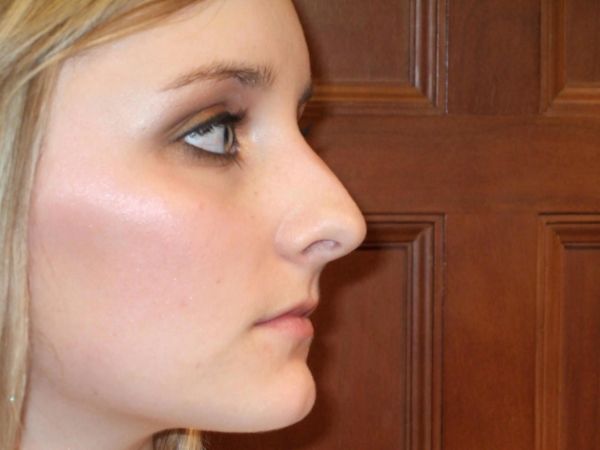
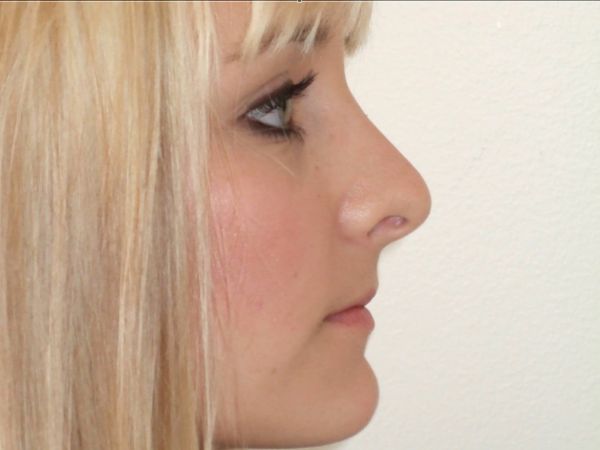
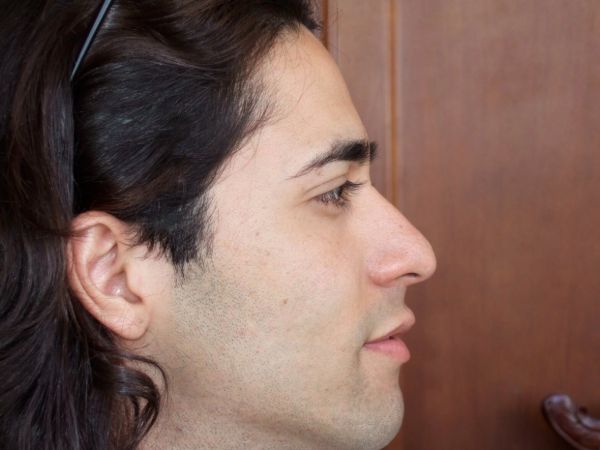
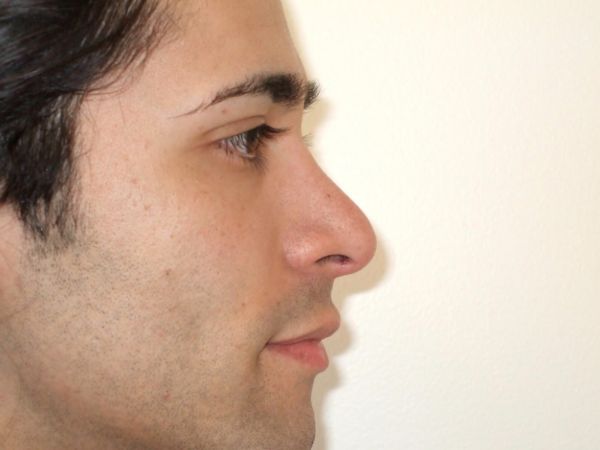
Surgical Technique
There are several techniques used for rhinoplasty. The approach taken will be based on the complexity of the surgical case and the overall goal of the patient.
| Technique | Description |
|---|---|
| Open Rhinoplasty | A small incision is made across the columella (the tissue between the nostrils), giving Dr. Gray greater access to and visibility of the structures inside the nose. Dr. Gray precisely stitches, trims, and grafts the cartilage to reshape the tip; the dorsal hump can be reduced and the nasal bones made narrower. Stitches inside the nose dissolve on their own, while stitches between the nostrils are removed at 5 days. A splint is worn for about 7–10 days during recovery. |
| Closed Rhinoplasty | Incisions are made inside the nose through the nostrils to allow cartilage to be trimmed, conservatively elevating and refining the tip. Dr. Gray reduces the dorsal hump slowly and carefully to meet each patient’s preference, whether a straight nose or a slight curve, and nasal bones can be made narrower as well. Stitches are inside the nose only and dissolve on their own. A splint is worn for about 7–10 days during recovery. |
| Non-Surgical Rhinoplasty | For minor reshaping, some patients opt for an injectable filler instead of surgery, sometimes combined with fat transfer. Fillers can add volume to camouflage small irregularities such as a bump, but they can only do so much in the reshaping process; for most patients, surgery is a better option and offers a permanent solution. |
Leonard W. Gray, MD, FACS: Double Board-Certified Plastic Surgeon
30+ years of breast and body expertise
During & After Surgery
Rhinoplasty is performed under general anesthesia in Bay Area Plastic Surgery’s AAAASF-accredited surgical suite. The procedure lasts up to 2 hours and is considered outpatient. After surgery, there will be swelling and soreness around the nose area. Bruising is also a side effect of surgery. The nose will be placed in a splint for additional support. During the first 7 – 10 days following surgery, the side effects will begin to disappear and the splint will be removed. Patients see early changes once the splint is removed, and final results develop over several months to a year for the full results to appear.
San Francisco Rhinoplasty FAQs
Is rhinoplasty risky?
All surgical procedures carry some form of risk. These risks can be greatly minimized in the hands of an experienced surgeon like Dr. Gray. While rhinoplasty is one of the most commonly performed procedures in the U.S., surgeon skill is critical to achieve a natural, balanced result.
Will my nose be broken during the procedure?
Sometimes. In many rhinoplasty cases, Dr. Gray makes small, controlled cuts in the nasal bones, called osteotomies. These allow him to narrow the bones, straighten a crooked or asymmetric nose, or close the gap left after a dorsal hump is removed. The bones are then repositioned and supported by a splint while they heal. The cartilage is not broken; it is reshaped with trimming, stitches, or grafts.
Will my nose be packed after surgery?
Not always. Dr. Gray may place soft nasal packing to help control bleeding, especially if the surgery involves the septum. The packing is placed in the nasal passages and is usually removed within a day or two. It can feel uncomfortable, but it is only needed for a short time during the immediate recovery phase.
Should I have surgical or non-surgical rhinoplasty?
This depends on the patient’s nose structure and the result the patient wants to achieve. For significant reshaping, the surgical approach will be performed as this allows Dr. Gray to reshape the cartilage and bones. If the patient is looking for a subtle improvement, adding volume to the area may suffice.