

30+ Years
Breast & Body Surgery
Double Board-Certified
Plastic Surgeon
6,000+
Body Procedures Performed
AAAASF-Accredited
Surgical Facility
Gynecomastia in San Francisco, CA
Gynecomastia is the enlargement of the male breasts. It most often occurs with puberty and can sometimes resolve over time. Some drugs, such as steroids, can cause it, and some medical problems that affect a man’s hormone levels can also be the cause of gynecomastia. If medication-related causes and hormonal conditions are ruled out, and time has been given for the gynecomastia to resolve on its own without improvement, then surgery by double board-certified plastic surgeon Dr. Leonard Gray can be considered at Bay Area Plastic Surgery in San Francisco, CA. The surgery has become increasingly popular over the years.
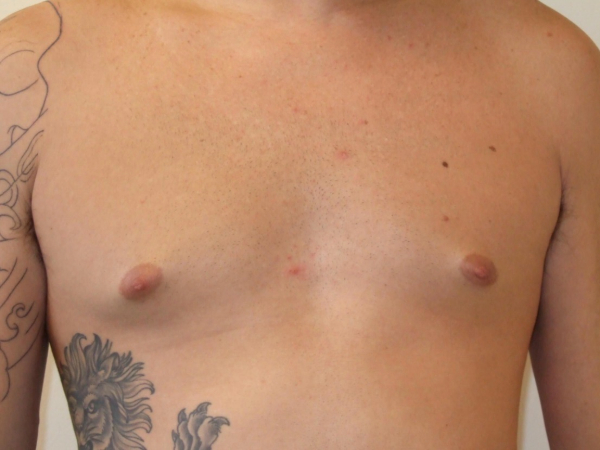
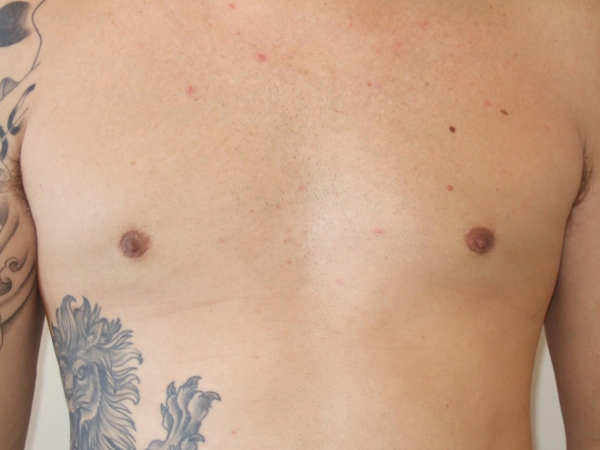
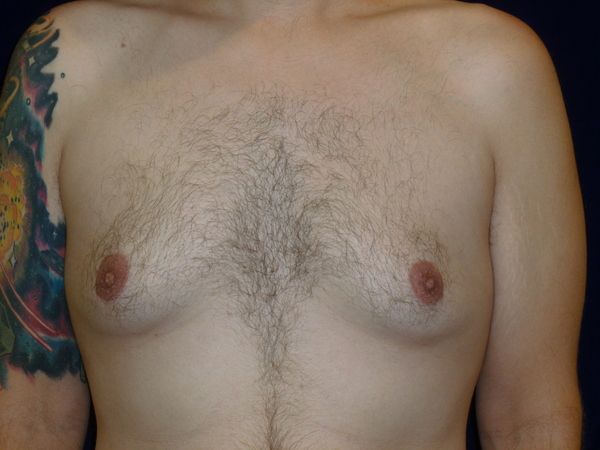
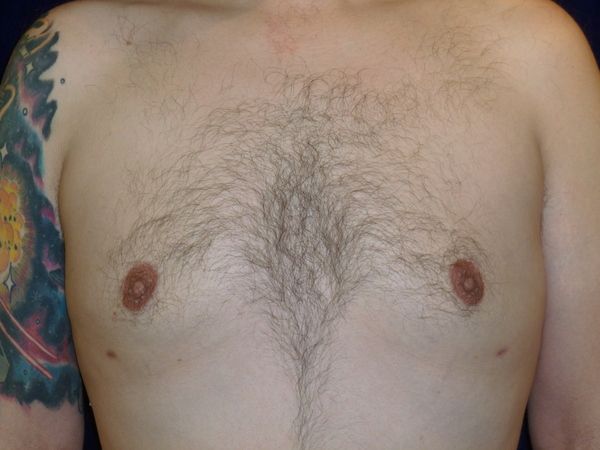
Traditionally, the options were liposuction alone or direct excision through a relatively large incision at the nipple/areola area. Dr. Gray uses a technique that combines liposuction and excision of the gland through small liposuction incisions placed on the side of the chest, so there is no large scar at the nipple/areola area. The self-consciousness of having enlarged male breasts is not replaced with self-consciousness about scarring, so patients can feel comfortable going shirtless after male breast reduction surgery.
Male Breast Reduction Results
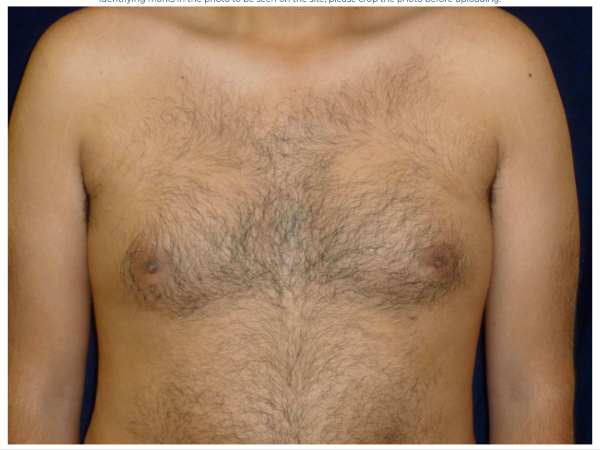
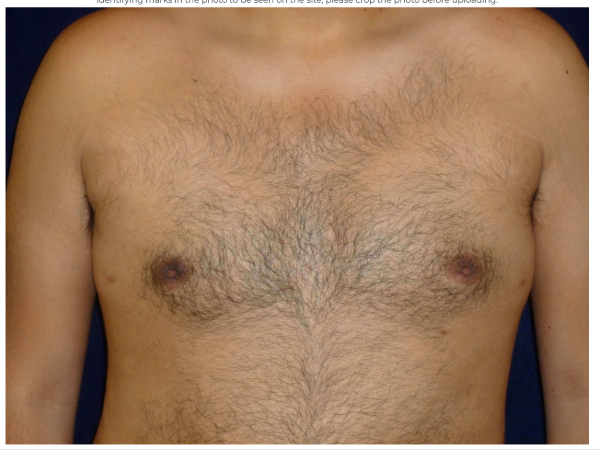
Quick Links
What Causes Gynecomastia?
Gynecomastia is most often the result of hormonal imbalance, in which estrogen levels are relatively higher than testosterone levels in men. This shift can stimulate the growth of glandular breast tissue.
Several factors can contribute, including:
| Factor | Description |
|---|---|
| Puberty | Hormonal fluctuations during adolescence are the most common cause, and in many cases the condition resolves naturally over time. |
| Aging | As testosterone production decreases with age, men can experience increased breast tissue development. |
| Medications | Certain antidepressants, heart medications, and treatments for prostate conditions can trigger gynecomastia. |
| Lifestyle Factors | Excessive alcohol use, marijuana use, and anabolic steroid use are linked to male breast enlargement. |
| Medical Conditions | Disorders affecting the liver, thyroid, or testicles can contribute to hormonal imbalance. |
For some men, the cause cannot be pinpointed, which is why consultation with a double board-certified plastic surgeon like Dr. Leonard Gray is the most effective way to determine the appropriate treatment plan.
Who Is a Good Candidate for Male Breast Reduction?
You may be a candidate for gynecomastia surgery if:
- You have persistent breast enlargement that has not improved with time, diet, or exercise.
- You are in good overall health without medical conditions that impair healing.
- You have a stable weight and realistic expectations for results.
- You are a non-smoker or can stop smoking before and after surgery.
- You are bothered by the appearance of your chest and want a more masculine contour.
The best way to determine candidacy is a consultation with Dr. Gray, who will evaluate your anatomy, medical history, and goals.
Leonard W. Gray, MD, FACS: Double Board-Certified Plastic Surgeon
30+ years of breast and body expertise
Gynecomastia Surgical Technique
Before male breast surgery is recommended, Dr. Gray may order tests and possibly prescribe medications to see if any improvement occurs. If the breast enlargement persists, surgery is an option. Dr. Gray removes both the excess fat and the glandular breast tissue through small liposuction incisions placed on the side of the chest, so there is no large scar at the nipple or areola. In severe cases with significant loose skin, a longer incision may be needed to remove excess skin, and the nipples may be repositioned so they are proportional to the new chest shape.
During & After Male Breast Reduction Surgery
Male breast reduction surgery uses general anesthesia and is performed in Bay Area Plastic Surgery’s AAAASF-accredited surgical suite. The operation lasts up to an hour. It is normal to have bruising and swelling around the chest area for the first couple of weeks. A compression garment must be worn for about 2 weeks to help with reshaping and healing. Most patients are able to return to their normal routine after a few days but must avoid any strenuous physical activities, especially ones that will put pressure on the chest. Most patients are very pleased with their results and feel more confident going shirtless.
Cost of Gynecomastia Surgery in San Francisco
The cost of gynecomastia surgery in San Francisco depends on the extent of your condition, the surgical technique used, the length of the procedure, and surgical suite and anesthesia fees. During your consultation, Dr. Gray will provide a personalized surgical plan and an exact cost estimate. Bay Area Plastic Surgery also offers financing options to make treatment more accessible.
Benefits of Male Breast Reduction
Undergoing gynecomastia surgery offers physical, psychological, and lifestyle benefits. These long-term benefits are why gynecomastia surgery has become one of the most popular cosmetic procedures for men.
Patients frequently report improvements in:
A flatter chest creates a more masculine appearance.

Shirts, suits, and athletic wear fit more comfortably and look better.

Many men feel freer to remove their shirt at the beach, gym, or in social settings without embarrassment.

Reducing excess tissue can improve balance and reduce tension across the upper body.

With improved confidence, many men are motivated to exercise and maintain their results.

Recovery After Gynecomastia Surgery
Recovery from male breast reduction is generally smooth and well-tolerated:
- Week 1: Some bruising, swelling, and mild discomfort are expected. You’ll wear a compression garment to support healing.
- Weeks 2–3: Most patients return to work and light daily activities. Swelling begins to subside.
- Weeks 4–6: Exercise and heavy lifting should still be avoided, but light cardio can resume.
- Weeks 6–8: Most restrictions are lifted, and you can return to weight training and chest workouts.
Final results typically become more visible after three to six months as swelling resolves and the chest takes on its new shape.
Your Solution to Gynecomastia Starts Here
If gynecomastia has been holding you back, you don’t have to live with the physical and emotional discomfort any longer. Dr. Leonard Gray offers advanced, scar-minimizing male breast reduction techniques that restore confidence and create a more masculine chest contour.
Take the first step today. Call Bay Area Plastic Surgery at 415-434-8858 or schedule your consultation online to learn how Dr. Gray can help you achieve lasting results. We are located in San Francisco and proudly serve the greater Bay Area.
Male Breast Reduction Surgery (Gynecomastia) FAQs
What Is Gynecomastia?
Gynecomastia is the enlargement of glandular breast tissue in men, which can make the chest look fuller or more feminine. It should not be confused with pseudogynecomastia (false gynecomastia), in which the enlargement is caused by fat deposits rather than breast tissue. Dr. Gray can tell the difference through a physical exam and, if needed, lab tests during your consultation. If the fullness is mainly fat, treatment is the same as removing excess fat from any other part of the body: a healthy diet and exercise are recommended first, and if the issue persists, liposuction, sometimes combined with a lift, may be performed to reshape the chest.
Will My Pecs Show After Male Breast Reduction?
Gynecomastia, unfortunately, hides the normal chest muscles that lie underneath the layers of overdeveloped breast tissue. For those who have severe gynecomastia, it is even possible that the overgrowth of breast tissue has developed into internal scarring. With a breast reduction surgery, all excess fat and breast tissues will be removed and the pectoralis muscles will be spared so that they can become more visible. With proper diet and exercise after the surgery, men will be able to tone and strengthen their chest muscles to regain the chest’s natural form.
Is Liposuction a Must?
In most cases, yes. Liposuction is part of nearly every male breast reduction because it removes excess fat through small incisions and helps contour the chest. Depending on your anatomy, Dr. Gray will recommend one of these approaches:
- Liposuction alone: for chest fullness caused mainly by fat (pseudogynecomastia).
- Liposuction with gland removal: Dr. Gray’s preferred technique for true gynecomastia, in which the firm glandular tissue is removed through the same small incisions on the side of the chest.
- Excision with a longer incision: for severe cases with significant loose skin.
Dr. Gray will review these options with you during your consultation so you can decide on the approach that’s right for you.
Will There Be Scars After Male Breast Reduction?
Scarring is minimal. Dr. Gray removes the excess fat and gland through small incisions placed on the side of the chest, away from the nipple and areola, where they are easy to conceal. He takes great care with incision placement and closure to keep any scarring as discreet as possible.
Is Gynecomastia Surgery Covered by Insurance?
Sometimes. Unlike most cosmetic procedures, gynecomastia surgery may be covered by health insurance if it is considered medically necessary by both your doctor and your insurance provider. Coverage criteria vary by insurer, but some insurers require that:
- The condition causes moderate to severe chest pain or a functional impairment
- The gynecomastia persists after stopping any prescription medications, recreational drugs, or other substances known to cause it
- The gynecomastia has been present for at least two years
- A thorough medical evaluation has been completed to rule out other causes, which may include liver enzyme, serum creatinine, and thyroid tests
Contact your insurance provider to find out whether your plan covers gynecomastia surgery and what documentation it requires.
How Long After Gynecomastia Surgery Can I Work Out?
Working out and living an active lifestyle is one of the most effective ways to maintain your gynecomastia results after surgery. Dr. Gray encourages all of his male breast reduction patients to exercise regularly once they are sufficiently healed. You should be able to resume exercising after about one month. When you do return to the gym, you will need to limit the intensity of your workout to cardio exercises and other activities that won’t interfere with your healing process. It’s crucial that you refrain from arm or chest workouts until you are fully healed, which generally takes about six to eight weeks.
How Long Does Swelling Last After Gynecomastia Surgery?
It’s normal for swelling to increase after surgery, usually peaking around 5–6 days after gynecomastia surgery. After that, the swelling will subside—rapidly at first and then gradually. After one month, the swelling may seem gone, but it can go down even more at three to six months.
Can gynecomastia surgery reverse itself?
Not usually. The results of gynecomastia surgery are long-lasting because the excess glandular tissue and fat are permanently removed. However, certain factors can cause the appearance of gynecomastia to return, such as significant weight gain, hormonal changes, steroid use, certain medications, or underlying medical conditions.
How can I maintain my results after gynecomastia surgery?
To maintain the results of gynecomastia surgery, adopting healthy habits and being mindful of potential triggers is essential. A stable weight is key, so focus on a balanced diet and regular exercise, including strength training and cardio, to prevent fat accumulation in the chest. Keeping hormone levels in check with the help of your doctor can also reduce the risk of recurrence. It’s important to avoid substances like anabolic steroids, recreational drugs, and excessive alcohol, as these can contribute to the development of gynecomastia.
Additionally, follow your surgeon’s post-operative care instructions, such as wearing your compression garments for the recommended time and attending all follow-up appointments with Dr. Gray, to support your recovery and long-term results. You should also learn which medications might cause hormonal changes and consult your doctor if you have concerns. These proactive steps can help you enjoy lasting benefits from your procedure.
Can weight loss or weight gain affect the results of my gynecomastia surgery?
Yes, significant weight loss or gain can affect the results of your gynecomastia surgery. If you gain weight after the procedure, fat can accumulate in your chest area, potentially diminishing the appearance of your results. On the other hand, substantial weight loss might lead to loose skin in the chest, depending on factors like skin elasticity and how much weight you lose.
To maintain your results, it’s a good idea to aim for a stable weight through a balanced diet and regular exercise. These habits will support your surgical outcomes and also benefit your overall health. If you’re considering any major changes in weight, discuss them with Dr. Gray or your primary healthcare provider so you can plan effectively.
What’s a good age to have gynecomastia surgery?
The ideal age for gynecomastia surgery largely depends on the individual and their physical development. Generally, it’s recommended to wait until puberty has concluded, which is typically around 17 to 18 years of age. This is because gynecomastia that develops during adolescence often resolves on its own as hormone levels stabilize.
For adults, the decision to undergo surgery is based on personal factors, including how much the condition affects you physically or emotionally. As long as you’re in good overall health and have realistic expectations about the results, there’s no upper age limit for the procedure. A consultation with a qualified surgeon is the best way to determine if the timing is right for you.
Will the surgery improve nipple shape and size?
Often, yes. Removing the excess gland beneath the nipple frequently reduces puffiness and improves its appearance without any incision at the areola. If the areola itself needs to be made smaller or repositioned, which is usually only necessary in more severe cases, this requires a small incision around the edge of the areola. Dr. Gray will let you know during your consultation whether this applies to you.
Can I combine gynecomastia surgery with liposuction in other areas?
Yes. Many patients choose to combine chest reduction with abdominal or flank liposuction to enhance their overall body contour.
Is gynecomastia surgery painful?
Most patients report only mild to moderate discomfort, which is easily managed with oral pain medication in the first few days after surgery.
How soon will I see results?
You’ll notice a flatter chest immediately after surgery, though swelling will temporarily obscure final results. Improvements continue to refine over several months.