

30+ Years
Breast & Body Surgery
Double Board-Certified
Plastic Surgeon
10,000+
Breast Procedures Performed
AAAASF-Accredited
Surgical Facility
Breast Implant Revision in San Francisco with Dr. Leonard Gray
Breast augmentation has long been one of the most popular plastic surgery procedures globally. Countless patients undergo breast augmentation surgery each year, but many ultimately decide that they need to change their current implants for one reason or another. Fortunately, an expertly trained plastic surgeon knows how to make these corrections to finally provide you with your desired look!
Double Board-certified San Francisco plastic surgeon Dr. Leonard Gray is an expert in all things breast augmentation and revision. He has been a successful and respected plastic surgeon in the Bay Area for many years. Dr. Gray is committed to his patients’ well-being, which is why he strives to help any patient who comes to him with an augmentation, revision, or removal request.
If you would like to learn more about breast augmentation revision in San Francisco, CA, please contact Bay Area Plastic Surgery through our online form or call 415-434-8858 to get started today.
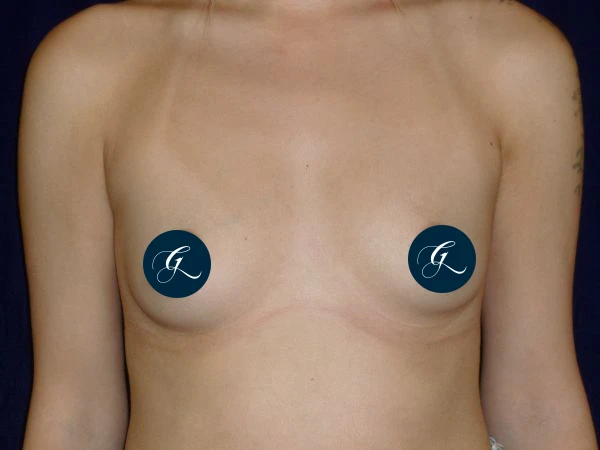
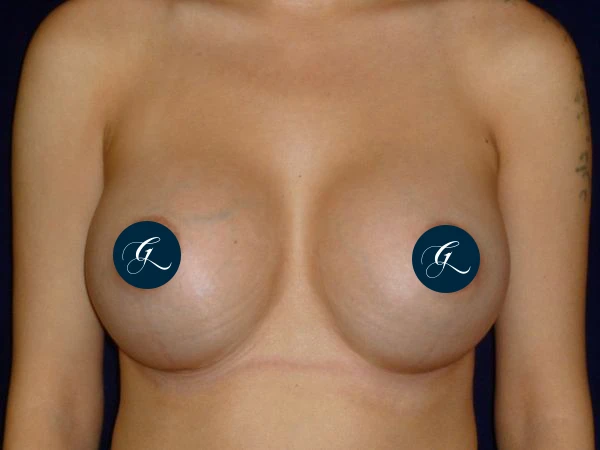
Breast Implant Revision Results
Quick Links
What is Breast Implant Revision Surgery?
Broadly speaking, breast implant revision surgery refers to the correction of a previous breast enhancement procedure. Dr. Gray utilizes a variety of methods but ultimately strives to reach
the same goal with each patient: to achieve the patient’s desired look in the safest possible manner.
Why Do Patients Choose Breast Implant Revision Surgery?
Many patients love their initial breast augmentation and decide that they would like to keep their look long-term. However, this is not always the case. Patients undergo breast revision surgery in San Francisco for various reasons, including:
| Aesthetic Preferences | Medical Reasons |
|---|---|
| Desire for a smaller or larger size | Capsular contracture |
| Want more or less projection | Ruptured implants |
| Want more cleavage | Breast implant illness or ALCL concerns |
| Asymmetrical breasts or rib asymmetries | Implant malposition |
Leonard W. Gray, MD, FACS: Double Board-Certified Plastic Surgeon
30+ years of breast and body expertise
Who Is a Good Candidate for Breast Implant Revision Surgery?
The ideal candidate for breast implant revision surgery is someone who wants to improve the look, feel, or position of their current implants. The tissue that makes up the breasts naturally evolves over time, leading to many women eventually reaching a point where their original augmentation no longer reflects the look they want or has led to complications.
Ideal candidates should:
- Be in good overall health
- Be non-smokers or willing to stop before surgery
- Have realistic expectations about their revision surgery
- Be free of any active infections or chronic illnesses
- Be completely healed from their previous breast augmentation surgery
- Not be pregnant or currently breastfeeding
What Can You Expect from a Breast Revision Consultation with Dr. Leonard Gray?
Dr. Gray takes great care in curating private consultations that are personalized, educational, and designed to help you understand your options and feel confident about your next steps. Because revision surgery can be more complex than a first augmentation, Dr. Gray takes extra care to evaluate your concerns, explain the underlying tissues, and create a plan tailored specifically to your anatomy and goals.
After you’ve had a discussion about what brought you in, Dr. Gray will perform a careful assessment of:
- Your implant position
- Signs of capsular contracture
- Skin quality and breast tissue changes
- Symmetry, shape, and overall proportions
Based on your exam, Dr. Gray will explain the revision approach that best matches your needs.
This may include replacing your implants entirely, removing your implants, repairing any pockets or repositioning needs, capsulectomy or capsule modification, or a breast lift combined with a revision. No two revision cases are alike, which means Dr. Gray personalizes your plan according to your anatomy, implant history, lifestyle, and aesthetic goals. Afterwards, you’ll have the opportunity to ask anything from recovery expectations to implant choices. Dr. Gray’s goal is for you to leave the consultation feeling informed, supported, and confident in your path forward.
How is Breast Revision Surgery Performed?
You and Dr. Gray will go about planning your breast implant procedure in accordance with your particular needs. Because each person’s situation will be unique, different patients will need different solutions. Dr. Gray typically takes two approaches to breast revision surgery: straightforward revisions and capsular contracture revisions.
If a patient does not have a significant medical issue or capsular contracture, Dr. Gray will review the patient’s options based on what they currently have and what they want. You can take a look at implant options by following this link to our breast augmentation page. Once you and Dr. Gray have decided upon the look you would like to achieve, your next step is surgery.
During your breast revision, Dr. Gray will do his best to use the same incisions as your original breast augmentation surgery. This avoids creating new scars. From there, he will then need to adjust the breast pockets. Implants will frequently have drifted down or out to the side, so Dr. Gray will need to correct this by reshaping and inserting permanent stitches into the existing pocket. This allows for the pocket to be the best shape possible.
Dr. Gray also must address the capsule around the existing implant. Even if there is no contracture, it still almost always needs to be adjusted. Depending on the state of the capsule, Dr. Gray will either:
- Remove the capsule and start fresh
- Manipulate the existing capsule to cover/drape over the new implant adequately
If the existing capsule is not removed, Dr. Gray will position it to make sure the tissues conform to the new implant to form a healthy new capsule.
After fixing the pocket and addressing the capsule, Dr. Gray will then measure the new pocket from the inside. Measuring from the inside allows for the most precise implant width, which in turn will provide you with the best look. After the perfect implant size is determined and inserted into the pocket, Dr. Gray will then review your new breasts’ aesthetic while you sit in both flat and upright positions. Doing this ensures that your breasts will be symmetrical while you stand, sit, or lie down. Lastly, Dr. Gray will close your incisions and bring you to a recovery room once it is determined that everything looks excellent.
Capsular contracture occurs on a very low percentage of patients. Contracture happens when natural scar tissues that form around the implant begin to thicken, harden and constrict the implant. Patients typically experience:
- Hardening of the breasts
- Breasts beginning to “push up” further on the chest
- Painful, constricting, or uncomfortable sensations in the breasts
Several options can relieve capsular contracture without the need for undergoing revision surgery, including massaging and a specialized medication called Accolate that can soften the capsule. These are successful much of the time; however, they will not always work if the capsule has contracted significantly. If these more conservative approaches do not seem to be working, the next course of action is to plan for surgery.
Unlike straightforward revisions, Dr. Gray will remove the capsule tissue completely. The next step is to place acellular dermal matrix in the lower part of the breast implant pocket. He most often uses Strattice™ for this. Dr. Gray pioneered the use of Strattice in capsular contracture revision surgery. He performed the first case for this in November 2008. The idea came from his earlier research: in 1983, while at Stanford University, Dr. Gray developed and patented a collagen-coated breast implant that showed a lower rate of capsular contracture. He will then similarly replace the implant, as described in the previous section. Using Strattice in capsular contracture surgery lowered the recurrence rate from greater than 50% to less than 1%. Dr. Gray also uses betadine (an iodine-based antiseptic) and the no-touch technique to lower the rate of capsular contracture.
What If I Want My Breast Implants Removed Entirely?
Many patients decide to have their breast implants removed altogether. This is most often due to lifestyle changes, aesthetic reasons, or breast implant illness concerns. Dr. Gray does offer breast implant removal, in which he will take out your implants and not place any other materials back into the breast. Your capsule may or may not be removed, depending on your unique circumstances.
Why Choose Dr. Leonard Gray for Your Breast Implant Revision Surgery?
Exceptional Expertise in Complex Revision Cases
Breast revision requires advanced surgical skill, a deep understanding of implant behavior, and the ability to correct issues that may have developed over years. Dr. Gray is known for his mastery in addressing concerns such as capsular contracture, implant malposition, asymmetry, and implant rupture. His extensive experience allows him to diagnose the true cause of a problem and select the most effective, least invasive solution.
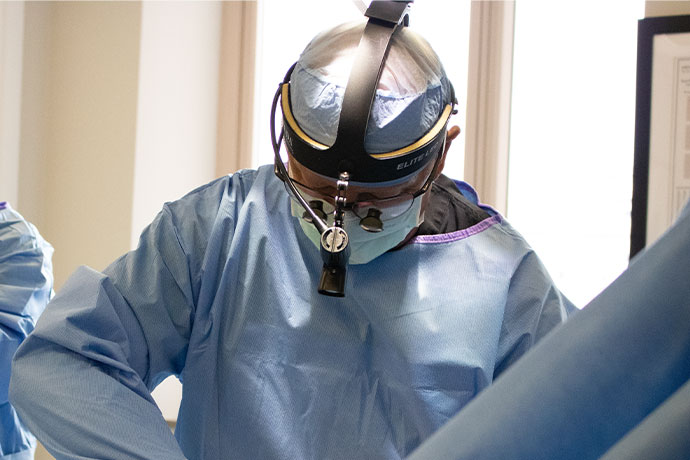
Additionally, Dr. Gray uses state-of-the-art surgical methods to improve precision and minimize downtime. His expertise in pocket repair, capsulectomy, implant replacement, and breast lift technique ensures that each revision is performed with the highest level of safety and accuracy. Patients choose Dr. Gray because of his warm bedside manner, communication, and consistent track record for delivering results that exceed expectations. His commitment to patient education means you’ll always understand your options, your procedure, and what to expect at every stage.
Your Breast Augmentation Revision Surgery with Dr. Leonard Gray
If you would like to learn more about breast augmentation revision surgery in the Bay Area from a genuine expert in the field, your next step is to schedule a one-on-one consultation with Dr. Gray. Here, you can ask questions, learn more about your options, and work with Dr. Gray to formulate your surgical plan. Dr. Gray has helped his patients find the look and confidence they desire for many years through excellent care, patient education, and obtaining the best results in the safest manner.
Learn more about the best Bay Area breast augmentation revision with Dr. Leonard Gray by calling 415-434-8858 or contacting us online.
Breast Revision Surgery San Francisco - FAQs
What if My Breasts are Asymmetrical?
Patients are sometimes concerned with their breasts being uneven or unbalanced for several reasons, including rib asymmetries, volume and projection differences, drooping, and other similar issues. Dr. Gray can use multiple techniques to correct these, often by using subtle differences between implants to find the most balanced result. A breast lift procedure may also be recommended for some patients.
Should I Worry About Capsular Contracture Recurring After Breast Implant Revision Surgery?
Surgical removal of capsular contracture has made considerable strides in terms of recurrence rates. Whereas the rate of having another contracture used to be around 50%, this has drastically dropped to less than 1% in the past decade in Dr. Gray’s practice. This is largely due to procedural and material advancements. In 1983, while at Stanford University, Dr. Gray developed and patented a collagen-coated breast implant that showed a lower rate of capsular contracture. This finding led Dr. Gray in his capsular contracture breast augmentation revision cases. With the use of Strattice, as mentioned above, capsular contracture recurrence rates have decreased in his experience from greater than 50% to less than 1%. Furthermore, new techniques, betadine use, and other improvements have made this concern more unlikely. It should also be noted that each implant company now offers a warranty for contracture patients.
Will My Capsule Be Removed in a Breast Implant Removal Procedure?
This largely depends on each patient’s unique situation. Sometimes it will be mostly left in place, and sometimes it will need to be removed. Dr. Gray will gladly discuss your breast implant removal concerns and options in consultation.
How Much Does Breast Revision Surgery Cost in San Francisco?
Your breast revision surgery cost will depend on several factors unique to your circumstances, including surgeon and surgical suite fees, your chosen implant type, the amount of scar tissue present, anesthesia, and any medications or supplies needed during recovery. The best way to get an accurate estimate is to schedule a consultation with Dr. Gray. After an examination and discussion of your goals, Dr. Gray and our finance department can provide you with a detailed cost breakdown.
What Other Cosmetic Breast Surgeries Does Dr. Gray Offer?
Dr. Gray is renowned throughout San Francisco, the Bay Area, and beyond as a cosmetic breast surgery specialist. In addition to breast revision surgery, his specialties include breast augmentation, breast lift, breast augmentation with lift, and the non-surgical breast lift. You can learn more about Dr. Gray’s extensive education and experience by visiting his about page.
Will breast revision surgery correct capsular contracture?
Capsular contracture is the abnormal growth of overdeveloped scar tissue around breast implants. It can be uncomfortable and disfigure your breasts. The only way to properly address capsular contracture is through revision surgery. Dr. Gray corrects capsular contracture by removing the scar tissue capsule and replacing the implants with new ones, leading to a decreased risk of recurrence and stunning results.
Can I reuse my old implants in a breast revision?
Since breast implants aren’t lifetime devices, Dr. Gray doesn’t recommend reusing them. The need for new implants depends on your reasons for pursuing revision surgery with Dr. Gray. If you’re exchanging your implants for a different size, or if you experience rupture or rippling, Dr. Gray will replace your old implants with new ones. Some patients choose to exchange their saline implants for silicone ones or vice versa.
Do I need a breast revision?
Deciding to have a breast revision is an entirely personal decision based on many contributing variables. If you’re suffering from capsular contracture, a ruptured implant, or rippling, a breast revision is the best option to help you resolve these issues and live more comfortably. This surgery can also help you achieve your aesthetic goals if you’re unhappy with your current implant size or placement.
At Bay Area Plastic Surgery, we specialize in surgeries to improve the appearance of the breasts and have been practicing them for many years. If you are considering breast revision, Dr. Gray will explain the process and options available to you so you can make the most informed decision.
Can I combine my breast revision with a lift?
Breast implants aim to enhance your breast size and shape, but they do very little to address sagging tissue or skin. If your breasts appear flattened, with downward-pointing nipples, you’ll likely need a lift to elevate them into a more youthful position on your chest. Dr. Gray can perform a combination breast revision surgery and a lift in one procedure.
Combining breast revision and breast lift surgery offers many benefits, including:
- Less downtime, as you’ll only need to recover from one surgery instead of two
- The ability to correct sagging and replace implants in one surgery
- Fewer incisions and reduced scarring
- Cost efficiency – you’ll only need to pay surgical and anesthesia fees once
How is breast revision performed to change implant size?
Breast augmentation revision to change size involves a surgical procedure to alter the size of breast implants. This can include replacing current implants with larger or smaller ones, adjusting the implant placement, and making necessary changes to achieve the desired size and appearance.
How is breast revision performed to repair or revise the implant pocket?
Breast augmentation revision for pocket repair or pocket revision is a surgical procedure aimed at adjusting the implant pocket created during the initial breast augmentation surgery. The implant pocket refers to the space where the implant is positioned within the breast tissue.
This type of revision might be necessary if the original pocket was not created correctly, leading to issues like implant displacement, asymmetry, or bottoming out (implants sitting too low). During the revision, the implant will be repositioned within the pocket. The pockets will be reinforced with sutures. In some cases, a new pocket must be created to achieve better symmetry and positioning.
What is capsular contracture after breast augmentation, what causes it, and how is it treated?
Capsular contracture is tightening of the scar-tissue lining that forms around a breast implant. As that capsule thickens and shrinks, the breast feels firm. An implant under the muscle often rides upward; an implant over the muscle can look rounder and more ball-like.
The two leading explanations of the cause of capsular contracture are a low-level bacterial film on the implant and a foreign-body scar reaction. Both may play a role.
Mild firmness can sometimes improve with massage or medication. Established contracture that changes shape or causes pain is treated surgically: the scar capsule is removed completely (capsulectomy), and ADM (acellular dermal matrix – a sheet of purified collagen) is placed as a layer between the new implant and the breast tissue. Capsulectomy alone has a high recurrence rate. Adding ADM has been associated with a significant drop in recurrence in published studies and in Dr. Gray’s practice.
How often do breast implants need to be changed?
Breast implants do not need to be replaced on a set schedule. There is no 10-year rule in the medical literature or from implant manufacturers. Exchange is recommended when there is a problem, or when you want a different size, projection, or feel.
Saline rupture is usually obvious because the breast gets smaller. Silicone rupture is harder to detect on exam; MRI is the most accurate test, though it can have false positives. Other reasons for exchange include capsular contracture and a pocket that has stretched to the side or downward.
If the implants are soft, intact, and in good position, they do not need to be changed.
What is GalaFLEX LITE™ and how is it used for breast revision, pocket revision, and repair?
GalaFLEX LITE™ is a type of bioresorbable scaffold or mesh that is sometimes used in breast augmentation revision surgeries, particularly in cases involving pocket revision or repair. It’s designed to provide additional support to the breast tissue and help maintain proper implant positioning over time.
GalaFLEX LITE scaffold is made from a material that gradually breaks down and gets absorbed by the body, while simultaneously promoting tissue integration. This may be used to reinforce the implant pocket, correct issues like bottoming out or lateral displacement, and enhance the long-term stability of the breast implants.
Combining permanent sutures and GalaFLEX LITE in pocket revision repair is a strategy to enhance the durability and stability of the repair over time. Here’s how this combination works:
- Permanent Sutures: Permanent sutures are stitches that are not intended to dissolve and remain in the body indefinitely. When used in pocket revision repair, they are strategically placed to reinforce and secure the breast tissue in the desired position. These sutures provide immediate support to the tissue while it heals and integrates with the surrounding structures.
- GalaFLEX LITE: GalaFLEX LITE is a bioresorbable scaffold or mesh that gradually breaks down and gets absorbed by the body over time. When used in combination with permanent sutures, it provides additional structural support to the repaired pocket. It encourages the growth of new tissue and helps prevent issues like bottoming out or implant displacement, as it breaks down naturally while the body’s tissue adapts and strengthens.
- By combining permanent sutures with GalaFLEX LITE, the repair is supported both in the short term and as the body’s healing process progresses. This approach aims to achieve better long-term results, minimizing the risk of complications and maintaining the desired breast implant position.
What is breast augmentation revision for capsular contracture?
Capsular contracture occurs when scar tissue forms around a breast implant and tightens, potentially causing discomfort and distortion. At one time, the recommendation was to simply remove the capsule and then replace it with a new implant. However, in 1983, while at Stanford University, Dr. Gray developed and patented a collagen-coated breast implant that showed a lower rate of capsular contracture. Additionally, by incorporating Strattice, a collagen matrix derived from porcine dermis, into the surgical procedure, he found a way to significantly reduce the recurrence rate of capsular contracture. This method provides additional support to the implant pocket, helping to prevent excessive scar tissue formation and maintaining a more natural and comfortable appearance.
Dr. Gray’s approach highlights the importance of continuous research and development in the medical field, as well as the potential for cross-application of existing technologies to address different challenges. Dr. Gray’s innovative use of Strattice in conjunction with breast implant revision surgery has not only led to a remarkable decrease in recurrent capsular contracture but has also been documented through published research.
His unique perspective and experience have contributed to improving the outcomes for patients undergoing breast augmentation revision for capsular contracture. Collaborative efforts between medical professionals, researchers, and companies can lead to breakthroughs that positively impact patient care.
What is breast augmentation revision surgery for deflation?
Breast revision surgery for rupture or deflation addresses the situation when a breast implant ruptures or, in the case of saline, deflates. The procedure aims to replace the damaged implant and restore the desired breast size and appearance.
During the revision surgery:
- Removal of Old Silicone: Old silicone is removed from the breast implant pocket. Thorough cleaning of the pocket is crucial to ensure that any residual silicone or debris is cleared away.
- Cleaning the Pocket: Betadine-soaked lap sponges are used to clean and disinfect the implant pocket, creating a sterile environment for the new implant.
- Capsule Consideration: Depending on the condition of the existing capsule (scar tissue that forms around the implant), the surgeon may decide to remove the capsule as well. This step helps prevent potential complications and ensures proper positioning of the new implant.
- Implant Replacement: A new implant is then inserted into the cleaned and prepared pocket. This new implant should provide the desired volume and appearance to match the patient’s goals.
If the implant is saline, removal involves only the removal of the implant shell.
It’s noteworthy that all the breast implant companies offer warranties that cover implant deflation. These warranties often include free replacement implants for the lifetime of the patient and financial assistance for a specified period. This provides patients with peace of mind knowing that they are protected against unforeseen deflation issues.
What is the recommendation for breast augmentation revision for an infected breast implant in the Bay Area?
For breast augmentation revision involving an infected breast implant, the standard recommendation is to remove the infected implant. Additionally, any materials within the implant pocket, such as sutures or other substances, should also be removed. This is done to eliminate potential sources of infection and prevent the continued spread of bacteria within the breast tissue.
Removing the infected implant and associated materials is essential to effectively treat the infection and minimize the risk of complications. After the removal, the patient’s health and the condition of the breast tissue will be closely monitored. Once the infection has been successfully treated and the breast tissue has healed, it may be possible to consider a new implant placement after a minimum of 6 months.
The waiting period is crucial for several reasons:
- Healing: Allowing sufficient time for the breast tissue to heal and recover from the infection is essential to minimize the risk of complications following the replacement surgery.
- Scar Tissue Formation: Waiting gives the body time to naturally soften and reduce excessive scar tissue, which can contribute to a more comfortable and natural-looking result.
- Infection Clearance: Ensuring that the infection is completely cleared before considering a new implant placement is crucial to prevent recurrence.
When does one need a breast lift with breast augmentation revision, and how is that procedure performed?
Generally, breast lift is considered when the patient has grade 2 ptosis or the nipple is below the inframammary fold. At the time of this breast augmentation revision, oftentimes the pockets are repaired and the implant of the patient’s choice is placed. This is followed by the breast lift. Dr. Gray’s favorite lift is a vertical lift where the scarring is less than with an inferior pedicle, and it has internal support by sewing breast tissue to breast tissue, so it tends to stretch less.
The breast lift procedure can be combined with breast augmentation revision to achieve the desired results. Typically, the approach involves the following steps:
- Implant Placement: During the breast augmentation revision, your Bay Area board-certified plastic surgeon addresses any issues with the implant pocket and places the desired implant.
- Lift Procedure: Following the implant placement, the breast lift procedure is performed. Dr. Gray’s preference is a vertical lift. This method involves creating an incision that extends around the areola and vertically down to the breast crease. Excess skin and lower pole breast tissue are removed. The nipple and areola are elevated to a higher, more youthful position. The vertical technique tends to result in less scarring compared to traditional methods like the inferior pedicle technique.
- Internal Support: At closure, internal support is obtained by sewing breast tissue to breast tissue in the lower pole of the breast. This provides lasting support within the breast and helps minimize stretching over time, contributing to longer-lasting results.
How do I know if my breast implants need to be replaced or revised?
Many patients consider revision when they notice changes in breast shape, firmness, symmetry, or comfort. Common signs that your implants may need to be replaced or revised include visible implant shifting, rippling, increased tightness, or a breast appearance that no longer matches your goals. A consultation with Dr. Gray can determine whether replacement, repositioning, or another revision technique is appropriate.
Can breast revision improve results from a surgery performed many years ago?
Yes. Breast implants and breast tissue naturally change over time due to aging, weight fluctuations, pregnancy, and the natural laws of gravity. Dr. Gray frequently performs revision surgery for patients whose implants are 10 to 20 plus years old, helping restore a more youthful appearance.
What are my options if I want to remove my implants but still maintain a natural breast shape?
Patients who choose implant removal can often benefit from a breast lift or internal reshaping to maintain a flattering contour. Dr. Gray customizes these procedures to support the breast tissue, improve symmetry, and create a natural look without implants.
Is breast revision more complex than my original breast augmentation?
In most cases, yes. Revision surgery often involves correcting scar tissue, adjusting implant pockets, addressing tissue changes, or replacing older implants. Dr. Gray’s extensive experience with complex revisions has equipped him to navigate these challenges and deliver safe, predictable results.
How long do results from breast revision surgery typically last?
While results vary by patient, most women enjoy long‑lasting improvements when implants are properly positioned and supported. Dr. Gray focuses on structural stability, such as pocket repair and capsule management, to help ensure your revision results remain stable and aesthetically pleasing for many years.
Do I automatically need a breast lift after removing breast implants?
Not necessarily. Whether you need a breast lift after implant removal depends on your skin elasticity, breast tissue volume, and how much your breasts have stretched over time. Some women’s breasts will naturally retract and maintain their shape after explant surgery, while others experience sagging or deflation once the implant volume is gone.
You may be a good candidate for a lift if you notice:
- Loose or stretched skin after implant removal
- Nipple position dropping below the breast fold
- A desire for a rounder, more lifted shape without implants
- Significant changes from pregnancy, weight fluctuations, or aging
Can surgery fix uneven breasts after implants?
Yes. When implants look uneven because one pocket has stretched to the side or downward, surgery can tighten that pocket (capsulorrhaphy) and restore symmetry. Unevenness from chest-wall shape or the original breast anatomy is planned differently and is reviewed in consultation.
The original incision is usually reused. The implant is removed, the stretched capsule is tightened with permanent sutures, and mesh may be added if the tissue is very thin. You can keep the same implants or change size. The front wall of the old scar is typically removed, so the breast tissue lies smoothly over the implant.
If a bra is not worn regularly after augmentation, pockets are more likely to stretch over time. Regular support helps protect the repair.